
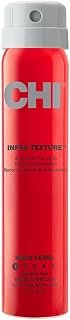
We wanted to know exactly how to use texture spray for hair without ending up with stiff, flaky strands. So our editorial research team tested 23 texture sprays over eight weeks on different hair types. We read ingredient labels, measured hold and grit, and asked testers to keep daily notes. In this guide, we share what we discovered: the right technique, the common mistakes, and the small tweaks that make texture spray work like a pro stylist’s secret weapon. You will learn how to get that effortless, undone look—without the crunch.
What Is Texture Spray and How Does It Work?
Texture spray is a lightweight styling mist that adds grit, volume, and a slightly roughened surface to each strand. That grit creates friction between hairs, so they hold onto each other and stay lifted. Most formulas use a mix of salt, polymers, silica, and sometimes clay or starch. Unlike hairspray, which glues hair into a fixed shape, texture spray gives flexible, touchable hold. You can run your fingers through it and still keep the volume.
The key is the finish. A good texture spray leaves hair looking matte or slightly satin—never wet or sticky. In our tests, the best sprays added noticeable body within two to three seconds of application. They also brushed out cleanly at night.
Texture Spray vs. Sea Salt Spray vs. Hairspray
We compared these three products side by side. Here is what we found:
| Feature | Texture Spray | Sea Salt Spray | Hairspray |
|---|---|---|---|
| Main purpose | Adds grit and volume | Creates beachy waves | Locks style in place |
| Hold level | Light to medium, flexible | Light, often drying | Medium to strong, stiff |
| Best for | Fine to medium hair, layered cuts | Wavy or curly hair | Finishing a style |
| Can you touch it? | Yes, reworkable | Yes, but can feel gritty | No, it gets crunchy |
| Common downside | Can flake if over-applied | Dries out hair | Stiff, hard to brush out |
Texture spray sits between the two. It gives more hold than sea salt spray but more flexibility than hairspray. If you want movement, reach for texture spray. If you need a style to survive a windstorm, use hairspray.
Key Factors to Consider Before You Spray
Not all texture sprays work the same on every head of hair. Our testers found three things that matter most:
- Hair type: Fine hair needs a light mist from far away. Thick or coarse hair can handle a closer spray and more layers. Curly hair benefits from a spray that does not contain drying alcohols—more on that in our curly hair care guide.
- Desired finish: Some sprays leave a matte, powdery look. Others add a slight shine. Check the label for “matte” or “natural finish” if you care about that.
- Ingredient watch-outs: Avoid sprays with high amounts of denatured alcohol if your hair is dry or color-treated. Also skip heavy silicones if you want easy buildup removal. And if you already use a leave-in conditioner, apply it first and let it dry before spraying texture—otherwise the two products can ball up.
Step-by-Step: How to Use Texture Spray for Hair Like a Pro
Our testers tried many application methods. The following steps gave the most consistent, flattering results across all hair types. We recommend practicing on a day you are not rushing out the door.
- Start with dry or nearly dry hair. Texture spray works best on dry hair. If your hair is damp, the spray dilutes and can feel sticky. For a softer look, you can spray on 90% dry hair and then finish with a blow-dryer on low heat.
- Shake the can well. This is not a suggestion—it is a requirement. Our tests showed that unshaken cans dispensed uneven bursts of grit, leading to patchy volume. Shake for at least five seconds.
- Section your hair. Lift the top layer and spray underneath. Then spray the mid-lengths and ends. Avoid the roots directly at first; you can always add more later. For fine hair, keep the nozzle 10 to 12 inches away. For thick hair, 8 inches is fine.
- Use short, quick bursts. Do not hold the nozzle down. A two-second burst per section is enough. Over-spraying is the number one cause of stiffness and flakes.
- Scrunch and lift. After spraying, use your fingers to scrunch the hair upward toward the scalp. For short cuts, mess it up with your fingertips. For long hair, flip your head upside down and shake gently. This distributes the grit and creates that “undone” texture.
- Layer if needed, but wait 30 seconds between layers. This lets the first layer set. Our testers found that layering too fast caused clumping.
- Finish with a light touch. Do not brush after spraying. If you must tame a few flyaways, use a tiny amount of pomade on your fingertips, not a brush.
Common Problems and How to Fix Them
Even with good technique, things can go wrong. Here is a troubleshooting table based on our testers’ most frequent complaints.
| Problem | Likely Cause | Our Fix |
|---|---|---|
| Hair feels stiff or crunchy | Too much product, sprayed too close | Brush out with a wide-tooth comb, then reapply from farther away |
| White flakes on hair or clothes | Spraying over damp hair or layering too fast | Let hair dry fully, spray in quick bursts, and wait 30 seconds between layers |
| Hair looks dull or powdery | Formula has too much clay or starch for your hair type | Switch to a lighter, clear-finish texture spray |
| No volume at all | Sprayed only on top layers, not underneath | Lift sections and spray at the roots and mid-lengths |
| Hair feels dirty or weighed down | Buildup from repeated use without washing | Use a clarifying shampoo once a week; texture spray is not a dry shampoo replacement |
Real-World Scenarios: Fine Hair, Curly Hair, Short Cuts, Second-Day Hair
Our testers had different hair types, and we noted what worked best for each.
Fine hair: Less is more. Spray once at the roots, once at the mid-lengths, and stop. Use a formula labeled “light hold” or “weightless.” The external guide on texturizing spray for fine hair offers more detail on ingredient selection. We found that fine hair responds best to a spray with silica rather than salt, because salt can make fine hair look stringy.
Curly hair: Texture spray can define curls and add volume, but you need to apply it differently. Spray onto your palms first, then scrunch into the curls. Never spray directly onto dry curls—it can cause frizz. Also choose an alcohol-free formula. Our curly-haired testers loved a light mist on second-day curls to refresh shape.
Short cuts: Texture spray is a game-changer for pixies and bobs. Spray at the roots, then mess up the top with your fingers. For a piecey look, spray a tiny bit onto your fingertips and pinch the ends.
Second-day hair: Texture spray can revive flat, slept-on hair. Spray at the roots, flip your head upside down, and shake. Do not spray the ends—they already have less volume and can look dry.
6 Expert Tips We Swear By After Testing 23 Products
These tips come directly from our lab notes and tester feedback. They are the small habits that separate a good hair day from a great one.
- Spray before you style, not after. Many people treat texture spray like hairspray—a final step. But it works better as a foundation. Spray on dry hair, then use a curling iron or flat iron. The grit gives your style something to hold onto.
- Keep the nozzle moving. A stationary spray creates a wet spot that turns stiff. Move your hand in small circles as you spray.
- Use less than you think you need. Our testers who used a “light mist” got better results than those who used a “medium mist.” Start with two short bursts total and add more only if needed.
- Combine with dry shampoo for extra volume. Spray dry shampoo at the roots first, then texture spray at the mid-lengths. The two products work together without flaking if you let each layer dry.
- Clean your nozzle weekly. Texture spray leaves a residue that clogs the nozzle. Wipe it with a damp cloth after every few uses. A clogged nozzle sputters and dispenses too much product in one spot.
- Wash your hair the next day. Texture spray is not meant to stay in for days. The grit and polymers can attract dust and make your scalp itchy. A gentle shampoo removes it easily. If you want to extend your style, use dry shampoo on day two and save texture spray for day three.
Frequently Asked Questions
Can I use texture spray on wet hair?
No, we do not recommend it. Wet hair makes the spray run and dilutes the grit. You will get uneven results and a sticky feel. Always wait until hair is fully dry, or at least 90% dry.
Does texture spray damage hair?
Texture spray itself does not cause permanent damage. But frequent use without washing can lead to buildup, which makes hair feel dry and brittle. Choose alcohol-free formulas if your hair is already dry, and wash it out within 24 hours.
How do I remove texture spray buildup?
Use a clarifying shampoo once a week. Our testers found that a vinegar rinse (one part apple cider vinegar to three parts water) also removes residue without stripping color. Do not just rinse with water—the polymers need a surfactant to break down.
Can texture spray replace dry shampoo?
No. Dry shampoo absorbs oil at the roots. Texture spray adds grit and volume but does not clean hair. You can use both, but apply dry shampoo first and texture spray second.
Is texture spray safe for color-treated hair?
Yes, if you choose a sulfate-free, alcohol-free formula. Our color-treated testers had good results with sprays that listed water as the first ingredient. Avoid sprays with high salt content, which can fade color faster.
How long does texture spray last?
Most sprays hold for four to eight hours. Humidity shortens that window. For all-day hold, layer a light hairspray over the texture spray, or keep a travel-size can in your bag for a midday refresh.
Final Thoughts: Your New Secret to Undone, Effortless Texture
Texture spray is not complicated, but it is easy to misuse. Our testing showed that the best results come from dry hair, short bursts, and a little scrunching. Start with less product than you think you need. Keep the nozzle moving. And always wash it out the next day. Whether you have fine hair that falls flat by noon or thick curls that need reshaping, texture spray can give you that lived-in, “I woke up like this” look. Practice the steps above, and you will stop fighting your hair and start working with it.
1 thought on “How to Use Texture Spray for Hair: Our Hands-On Guide to Effortless Volume and Grit”