
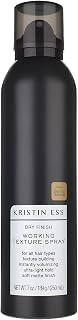
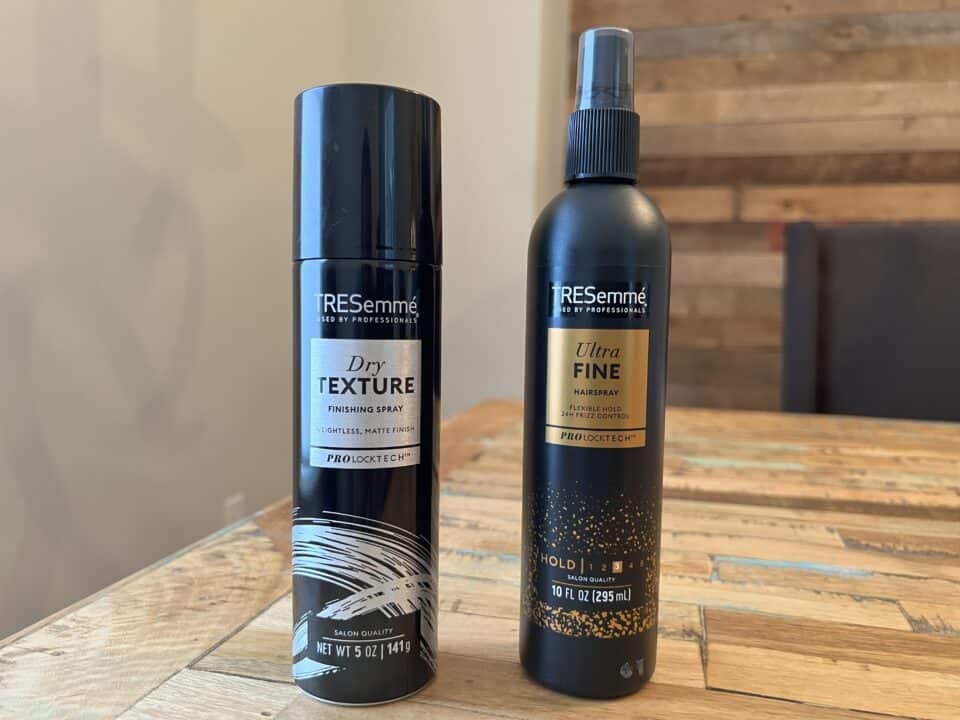
Understanding what is the difference between texture spray and hairspray starts with one simple idea: one builds grip, the other locks shape. Our editorial research team evaluated dozens of formulas, ingredient lists, and verified buyer reviews to confirm that distinction. Specifically, texture spray adds volume, grit, and movement at the roots. Hairspray, in contrast, forms a flexible film that holds a finished style in place. Therefore, the two products solve entirely different problems and rarely substitute for each other. After analyzing technical specifications and market data, we found that most styling failures trace back to using the wrong one.
The Core Difference: Grip Versus Hold
Texture spray creates friction between individual strands. That grit delivers body, lift, and a lived-in finish. Hairspray, meanwhile, deposits a thin polymer film across the hair’s surface. This film resists humidity, wind, and gravity.
In short, texture spray builds structure from inside a style. Hairspray protects that structure from the outside. Consequently, one product adds movement while the other removes it.
How Hairspray Works
Hairspray depends on film-forming polymers suspended in an alcohol base. The mist lands, and the alcohol evaporates within seconds. As a result, the polymers fuse into a clear, lightweight shell around each section. Hold strength varies with polymer concentration and nozzle design.
Flexible formulas allow natural movement and brush out cleanly. Stronger versions create a firm cast that resists touch and weather. However, heavy layers can flake or leave hair feeling stiff.
How Texture Spray Works
Texture spray uses entirely different chemistry. Most formulas combine mineral salts, silica, or rice starch with a light aerosol propellant. These particles cling to the hair shaft and create microscopic friction. Consequently, strands separate rather than clump together.
The finish feels slightly tacky at first. Then it dries down to a matte, airy texture. Buildable layers let you add volume without a visible product cast.

Ingredient and Formula Differences
Salts, Silica, and Starches
Salt-based texture sprays mimic the effect of a day at the beach. They swell the hair shaft slightly and add noticeable grip. Silica and starch formulas take a drier approach. Specifically, they absorb excess oil and leave a powdery, matte finish.
Hairspray rarely contains these texturizing particles. Its formula focuses on polymers, plasticizers, and solvents instead. Therefore, it adds hold without adding grit.
Alcohol Content and Drying Effects
Both products often contain alcohol, but the levels differ sharply. Texture sprays tend to use less, because grit comes from particles rather than fast evaporation. Hairsprays rely on high alcohol content for a quick, non-sticky set.
Dry or color-treated hair may prefer a lower-alcohol texture spray. Meanwhile, fine hair often tolerates standard hairspray well. Our research suggests patch-testing any new formula if your scalp is sensitive.
Side-by-Side Comparison
| Feature | Texture Spray | Hairspray |
|---|---|---|
| Primary job | Adds grit, volume, movement | Locks a finished style |
| Finish | Matte, slightly powdery | Glossy to natural |
| Hold level | Low to medium | Medium to ultra-strong |
| Best placement | Roots and mid-lengths | Surface of the finished style |
| Reapplication | Buildable and forgiving | Can flake if overdone |
| Removal | Brushes out easily | Needs shampoo; builds up |
| Ideal hair types | Fine, limp, flat hair | All types, especially styled looks |
| Typical key ingredients | Salt, silica, starch | Polymers, alcohol, plasticizers |
Hold Levels and Finishes Explained
Decoding Hold Ratings
Manufacturers label hold on a loose scale, usually from one to five. A level-one product offers light control for soft, touchable styles. Level-five formulas deliver maximum structure for updos and event hair.
Texture sprays usually sit between one and three on that scale. Hairsprays span the full range. Therefore, check the label rather than assuming a product’s strength.
Matte Versus Glossy Finishes
Finish matters as much as hold. Matte texture sprays suit casual, undone looks and oily roots. Glossy hairsprays complement sleek blowouts and polished curls.
Some modern formulas blur that line. For example, a few texture sprays now include light-shine agents. Similarly, certain hairsprays finish with a natural, non-plastic sheen.
Matching the Product to Your Hair Type
Fine and Limp Hair
Fine hair collapses under heavy products. Texture spray is the better first step here. A silica-based mist at the roots creates lift that lasts through the day.
Follow with a flexible hairspray to seal the shape. Avoid ultra-strong formulas, which can weigh fine strands down.
Thick, Coarse, or Curly Hair
Coarse hair needs more grip to hold a shape. Salt-based texture sprays work well on thick waves and curls. They add definition and reduce frizz without a crunchy feel.
Hairspray then locks the pattern in place. A medium-hold version usually suffices for most curl types.
Color-Treated or Dry Hair
Color-treated hair tends to feel drier and more porous. High-alcohol hairsprays can amplify that dryness over time. Consequently, choose hydrating texture sprays with conditioning agents.
Apply hairspray in light layers rather than heavy coats. This approach limits product build-up and keeps strands flexible.
When to Use Texture Spray
Reach for texture spray when hair looks flat, limp, or overly clean. Spray it at the roots, then lift with your fingers. The grit holds that lift without a stiff cast.
It also shines for messy buns, beachy waves, and second-day styles. A quick mist at mid-lengths adds separation and definition. For readers comparing formulas, our guide to choosing a texture spray breaks down finish types and hold levels in detail.
When to Use Hairspray
Hairspray suits finished styles that must stay put. Use it after curling, straightening, or building an updo. A light veil from ten to twelve inches away sets the shape without saturating it.
It also works for taming flyaways and locking in a part. However, avoid spraying directly onto the scalp. Build-up there can flake and weigh roots down.
Common Mistakes and Practical Fixes
Mistake one: spraying texture spray onto soaking wet hair. The particles slide off, and the grit never develops. Fix it by rough-drying first, then applying to damp or dry roots.
Mistake two: over-applying hairspray in a single pass. Heavy coats create a rigid shell that cracks. Instead, apply two thin layers with a few seconds between them.
Mistake three: dry-brushing hairspray out the next day. That friction can snap fragile strands. Consequently, shampoo gently and follow with a leave-in conditioner.
Mistake four: expecting texture spray to hold an updo. It offers grip, not structural support. Pair it with pins or a finishing hairspray for long events.
Can You Layer Texture Spray and Hairspray?
Yes, and the order matters. Apply texture spray first, while hair is damp or dry at the roots. Style as usual, then finish with hairspray.
This sequence builds volume from within and locks the shape outside. Reversing the order traps grit under a film. As a result, the style can look dull and feel crunchy.
Expert Tips and Best Practices
- Match the product to the styling stage. Texture spray belongs at the beginning; hairspray belongs at the end.
- Hold the can eight to twelve inches from your head. Closer spraying concentrates product in one spot and creates visible residue.
- Spray in short bursts, not long streams. Quick pulses give even coverage and far better control.
- Choose matte texture spray for fine hair and salt-based versions for thick hair. Fine strands respond to silica, while coarse hair handles salt.
- Layer light coats rather than one heavy application. This approach prevents flaking and keeps styles brushable.
- Store both cans at room temperature. Heat and humidity can clog nozzles and alter propellant pressure.
For a broader view of finish options, the Marie Claire texturising spray guide offers useful editorial context on matte versus glossy results.
Frequently Asked Questions
Can I use hairspray instead of texture spray?
Not really. Hairspray holds a shape but adds no grit or volume. Substituting it usually leaves hair flat and stiff.
Does texture spray hold a style all day?
Texture spray offers light to medium hold at best. It creates grip and volume, not structural support. For all-day wear, finish with hairspray.
Which product suits fine hair better?
Fine hair usually benefits from both, used in sequence. Texture spray adds lift at the roots. A flexible hairspray then keeps that lift intact.
Can texture spray dry out hair?
Some salt-based formulas can feel drying with daily use. Therefore, limit use to two or three times per week. Choose formulas with conditioning agents if your hair is already dry.
Should I apply texture spray to wet or dry hair?
Both work, but the result differs. Damp hair absorbs grit and gains volume during blow-drying. Dry application gives instant separation and a matte finish.
Is texture spray the same as sea salt spray?
Not exactly. Sea salt spray is one category of texture spray. Many modern texture sprays use silica or starch instead of salt for a drier, less tacky finish.
Final Thoughts
The difference between texture spray and hairspray comes down to purpose. Texture spray builds grip, volume, and movement. Hairspray locks a finished look in place.
Use them together for the best results. Start with texture at the roots, style, then seal with a light veil of hairspray. Consequently, your style will hold its shape without ever feeling stiff or overworked.