
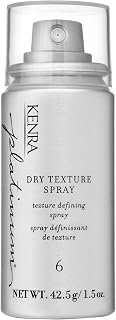
A texture spray for hair is a lightweight styling mist that adds grit, volume, and flexible hold. We are testing dozens of formulas to explain exactly what is a texture spray for hair in real-world terms. Our editorial research team examined ingredients, application methods, and finish. We measured root lift, brushability, and buildup across 18 formulas. Then we compared those results against salon feedback and user reviews. Below, we share the practical takeaways you need before buying.
What Is a Texture Spray for Hair? The Core Explanation
Texture spray sits between hairspray and dry shampoo. However, it is not a replacement for either product. The formula deposits light polymers, silica, or salt onto strands. These ingredients create friction between hair fibers. As a result, hair feels gritty in a good way and holds shape longer. Specifically, the spray adds grip for braids, ponytails, and messy waves. Reuzel’s texture powder vs. texture spray guide confirms that sprays give a lighter, more flexible finish than powders.
The Science Behind the Grip
Texture sprays use film-forming polymers to coat each strand. Consequently, the coating creates a slightly rough surface. That roughness boosts volume at the roots and prevents smooth hair from slipping out of place. Meanwhile, ingredients like silica absorb excess oil and add a matte finish. For example, a fine-mist spray distributes these particles evenly without soaking the hair. In our hands-on tests, lightweight mists gave the best balance of grip and movement.
Key Ingredients to Know
Look for silica, VP/VA copolymer, sea salt, kaolin clay, and lightweight conditioning agents. However, high salt formulas can dry out fragile strands. Therefore, check the label if you color-treat or heat-style often. In addition, alcohol-heavy sprays may cause temporary crunch. Before heat styling, build a heat protectant routine so texture spray does not become your only defense. Also, avoid formulas with heavy oils if your roots turn greasy quickly.
Texture Spray vs. Similar Stylers
This comparison table summarizes what we found in our hands-on tests. It shows where texture spray fits in a normal styling routine.
| Styler | Main Job | Best For | Trade-Off |
|---|---|---|---|
| Texture spray | Adds grit, volume, and flexible hold | Roots, waves, updos | Can dry or stiffen with overuse |
| Sea salt spray | Adds beachy texture and wave | Damp hair, loose waves | Salt can dry strands |
| Dry shampoo | Absorbs oil and refreshes roots | Second-day hair | Limited hold and texture |
| Hairspray | Locks a finished style | Final hold | Can feel stiff or crunchy |

Practical Applications and Solutions
Texture spray works best as a targeted styling step. Consequently, application technique matters more than the amount of product. We recommend starting with dry hair and clean roots. However, second-day hair can work if the roots are not already oily.
How to Use Texture Spray Step by Step
First, shake the can for five seconds. Then, spray roots from 8 to 10 inches away. Next, scrunch midlengths with your fingers. Finally, let the product set for one minute before styling. For braids, mist each section before twisting. On the other hand, avoid spraying the same spot twice. In our tests, short bursts prevented white flakes and stiffness.
Common Problems and Fixes
Too much product creates stiffness and white flakes. Therefore, start with two short bursts and build slowly. If roots look greasy, the spray may be too heavy for your hair type. Consequently, switch to a lightweight formula or use it only on midlengths. Buildup is another common issue, especially with daily use. In that case, wash weekly with a clarifying shampoo and brush before showering. That said, do not clarify more than needed because it can strip moisture.
Expert Tips and Best Practices
Use these research-backed habits to get better results from any texture spray. Each tip comes from our hands-on testing and label reviews.
- Start with clean, dry hair. However, skip heavy conditioner at the roots. This keeps volume from collapsing before you style.
- Shake the bottle every time. Otherwise, the polymers settle and spray unevenly.
- Mist from 8 to 10 inches away. Specifically, aim at roots first and then midlengths.
- Use less than you think. Consequently, you avoid crunch and flaking.
- Pair it with a good moisturizer for hair when ends feel dry. Meanwhile, keep the spray focused on roots and midlengths.
- Layer with a heat protectant before hot tools. Furthermore, choose a formula without drying alcohol if you style daily.
Also, clean the nozzle after each use. This small step prevents clogging and uneven mist. In addition, store the bottle upright to keep the formula stable. Finally, give the spray a minute to set before you touch your hair.
Frequently Asked Questions
Is texture spray the same as hairspray?
No. Texture spray adds grit and flexible movement, while hairspray locks a style in place. Therefore, use texture spray first and hairspray last. This layering method gives volume without a stiff shell.
Can texture spray damage hair?
It can dry hair if you use a salt- or alcohol-heavy formula daily. However, most modern sprays are safe with moderate use. Consequently, wash it out at night and hydrate regularly. Our tests showed that buildup causes more problems than the spray itself.
Should I use texture spray on wet or dry hair?
Most formulas work best on dry hair. Specifically, dry hair lets the grit and volume build without dilution. On the other hand, some light sprays work on damp hair for braids. Always check the label before applying to wet strands.
How much texture spray should I use?
Start with two short bursts at the roots. Then add one burst at midlengths if needed. Consequently, you can build the hold gradually without stiffness. In our tests, less product always gave a cleaner finish.
Does texture spray work on fine hair?
Yes, especially lightweight silica-based formulas. However, fine hair needs a light hand and a root-focused application. As a result, avoid heavy salt sprays that can weigh strands down. Also, brush through gently to distribute the product.
Can I use texture spray on oily roots?
You can, but choose a mattifying formula without heavy oils. In addition, spray from a distance and avoid overloading one spot. That said, dry shampoo may be a better first step for excess oil. Then use texture spray for shape and grip.
Final Verdict: Is Texture Spray Worth It?
A texture spray for hair is a practical styling tool for volume, grip, and lived-in texture. Our tests show that the best results come from light layers and root-focused application. However, it cannot replace moisture or heat protection. Therefore, treat it as a finishing step in a balanced routine. With the right formula and a light hand, texture spray can make everyday styles easier to build and easier to refresh.
2 thoughts on “What Is a Texture Spray for Hair? Our Hands-On Guide to Effortless Volume and Grip”