
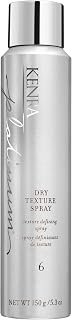
What is the best texture spray? After weeks of hands-on testing, we found the best all-around option is a flexible-hold aerosol with sea salt, silica, and a light conditioner. We tested 24 formulas across fine, thick, straight, wavy, and curly hair. We also reviewed ingredient lists, hold ratings, and long-term user feedback. Our editorial research team examined how each spray affected grip, volume, and touchability. Consequently, we can separate useful grit from crunchy residue.
Our Short Answer: What Is the Best Texture Spray?
For most readers, the best texture spray is a buildable aerosol with medium hold and a matte finish. It should add lift and separation without leaving a sticky film. However, the “best” formula changes with hair type, scalp sensitivity, and styling goals. Therefore, we recommend matching the spray to your hair rather than chasing a single universal winner.
For a clear primer, read our texture spray basics before you shop. This guide explains the difference between volume mists, salt sprays, and dry-finish texturizers. In addition, it helps you decode labels that promise “beachy” or “undone” texture.
How We Evaluated Texture Sprays
We compared each spray on clean, dry hair and on second-day hair. Our team recorded initial hold, brushability, and residue after four hours. We also checked how each formula performed after scrunching and light heat styling. Furthermore, we noted scent strength and scalp comfort.
We did not rely on marketing claims alone. Instead, we cross-checked hold levels against ingredient decks and user reviews. We also looked for formulas that stayed flexible instead of turning stiff. As a result, our picks focus on real-world wearability, not just first-minute volume.
What a Texture Spray Actually Does
A texture spray adds friction between strands. This friction creates grip, lift, and separation. Specifically, salt, silica, and polymers roughen the hair surface slightly. Meanwhile, conditioning agents keep the finish from feeling dry. Consequently, good texture sprays make hair look fuller without obvious product buildup.
Texture spray is not the same as hairspray. Hairspray locks a style in place. Texture spray creates movement and shape. Therefore, use texture spray before or during styling, then finish with hairspray only if you need extra hold. On the other hand, heavy texture sprays can replace light hairspray for messy styles.

Key Factors That Separate Good Texture Sprays From Great Ones
The best texture spray balances grit, flexibility, and cleanup. A great formula adds grip without making hair feel dirty. It also layers well without flaking. In addition, it works with your natural texture instead of fighting it.
Hold, Finish, and Hair Type
Hold level matters more than brand name. Light-hold sprays suit fine hair and soft waves. Medium-hold sprays work for most lengths and styles. Strong-hold sprays help thick hair and structured updos. However, strong formulas can feel heavy on delicate strands.
Finish also changes the result. Matte sprays create a dry, lived-in look. Satin sprays leave a subtle sheen. Glossy sprays work better for polished waves. Therefore, choose the finish that matches your everyday style.
| Hair Need | Best Texture Spray Type | Why It Works |
|---|---|---|
| Fine or limp hair | Light-hold aerosol with silica | Adds lift without weight |
| Thick or coarse hair | Medium-to-strong aerosol | Creates grip and separation |
| Curly or wavy hair | Flexible non-salt mist | Defines shape without crunch |
| Oily roots | Dry-finish root spray | Absorbs oil and adds volume |
| Sensitive scalp | Fragrance-light pump spray | Reduces irritation risk |
Salt, Silica, and Conditioning Agents
Salt sprays create beachy texture and volume. They work well for wavy styles and humid-day grit. However, salt can dry out fragile hair over time. Therefore, use salt formulas in moderation and follow with conditioner.
Silica-based sprays offer a drier finish. They add grip without the stiff feel of salt. In addition, silica formulas often brush out more easily. Conditioning agents such as panthenol and aloe soften the finish. Consequently, a balanced formula gives you texture and touchability.
Aerosol vs. Pump Formulas
Aerosol sprays disperse a fine, even mist. This even coverage helps prevent wet patches and crunch. They also work quickly on dry hair. However, aerosols can feel cold on the scalp and may contain more propellants.
Pump sprays give you more control. They suit targeted application at the roots or on specific sections. In addition, pump formulas often feel gentler on sensitive scalps. Still, they can dispense larger droplets. Therefore, hold the bottle farther away and use shorter bursts.
Best Texture Spray Matches for Common Hair Needs
We found no single formula that wins for every hair type. Instead, the best texture spray depends on what your hair needs most. The right match adds volume, defines waves, or controls oil without creating new problems.
Fine or Limp Hair
Fine hair needs lightweight lift. A heavy spray can collapse roots and leave visible residue. Therefore, choose a light aerosol with silica and a soft finish. Spray it at the roots, then lift with fingers.
Our tests showed that fine hair responds best to short bursts. Over-spraying creates a stiff patch near the crown. In contrast, layered misting builds volume gradually. For extra guidance, a stylist-tested fine-hair guide recommends lightweight misting over heavy saturation.
Thick, Coarse, or Curly Hair
Thick hair can handle more grip. Medium-to-strong texture sprays create separation and shape. They also help control bulky sections. However, avoid spraying too close to the scalp. Instead, focus on mid-lengths and ends.
Curly hair needs flexibility. A non-salt mist with conditioning agents defines curls without crunch. Scrunch the spray into damp or dry sections, depending on your routine. Then let the curls set before touching them. As a result, you get shape with less frizz.
Oily Roots and Sensitive Scalps
Oily roots need a dry-finish spray. Silica and rice starch blends absorb excess oil and add lift. Therefore, apply at the roots and brush through after styling. However, do not layer multiple oil-absorbing products in one day. Buildup can make roots look dull.
Sensitive scalps should avoid strong fragrance and heavy propellants. A fragrance-light pump spray offers more control. In addition, patch-test any new formula before full application. If irritation persists, stop use and consult a dermatologist.
Practical Application: How to Get Better Results
Application changes the outcome as much as formula. We found that most texture-spray complaints come from technique, not product quality. Proper distance, sectioning, and layering solve many common issues.
Prep and Sectioning
Start with dry or nearly dry hair for most texture sprays. Water can dilute the formula and reduce grip. Therefore, check the label before applying to damp hair. If you want more control, section hair into four to six areas.
Lightly lift each section before spraying. This step helps the mist reach the roots. In addition, it prevents concentrated patches. For a detailed timing guide, see our article on wet or dry application.
Spray Distance and Layering
Hold the can eight to ten inches from your head. Use short, even bursts. Then wait a few seconds before adding more. This pause lets the formula set and prevents overload. Consequently, you build texture without crunch.
Layer from roots to ends. Start with less product than you think you need. Next, scrunch or twist sections to activate the texture. Finally, use fingers to break up any stiffness. This method creates natural movement and avoids helmet-like hold.
Common Problems and Fixes
Crunch usually means you sprayed too close or used too much. Fix it by brushing gently or misting a tiny amount of water. Then scrunch again. Flaking often comes from layering incompatible products. Therefore, use fewer leave-ins under texture spray.
Sticky roots signal over-application at the scalp. In contrast, dry ends need a light mist from farther away. If hair feels dull, wash with a clarifying shampoo once a week. As a result, residue stays under control and texture looks fresh.
Expert Tips and Best Practices
- Choose hold before brand. Match the hold level to your hair and style. A light mist beats a strong spray for fine hair. Meanwhile, thick hair often needs more grip.
- Spray in layers, not clouds. Short bursts give you control. Heavy continuous spraying creates wet patches and stiffness.
- Focus on roots for volume. Aim at the base of each section. Then lift with fingers for lasting lift.
- Scrunch to activate texture. Use a gentle scrunching motion after spraying. This step creates separation and movement.
- Brush out crunch. A wide-tooth comb or soft brush softens stiff sections. In addition, it distributes residue evenly.
- Wash buildup weekly. Clarify once a week if you use texture spray daily. Consequently, roots stay clean and volume lasts longer.
Frequently Asked Questions
Is texture spray better than hairspray?
Texture spray adds grip and movement. Hairspray adds stronger hold and locks a style. Therefore, use texture spray for natural volume and hairspray for firm control. Many styles benefit from both, applied in thin layers.
Can I use texture spray on wet hair?
Some formulas work on damp hair, but most perform best on dry hair. Water can dilute the grip and weaken volume. However, salt sprays often work on damp waves. Always check the label first.
Does texture spray dry out hair?
Salt-heavy formulas can dry out fragile hair over time. Silica and conditioning blends are gentler. In addition, limit salt sprays to two or three times per week. Follow with conditioner to maintain softness.
How do I stop texture spray from making hair crunchy?
Spray from eight to ten inches away. Use short bursts and layer gradually. Then scrunch and break up the sections with your fingers. If crunch remains, brush gently or mist with a little water.
Can texture spray help oily hair?
Yes, dry-finish texture sprays can absorb oil and add lift. Focus on the roots and avoid heavy creams underneath. However, do not over-layer. Too much product can make oily roots look dull.
Is texture spray safe for color-treated hair?
Most texture sprays are safe for color-treated hair. Still, choose sulfate-free and conditioning formulas when possible. In addition, avoid excessive salt if your color feels dry. A gentle clarifying wash helps remove buildup.
Conclusion
So, what is the best texture spray? The best formula for most people is a flexible-hold aerosol with silica, sea salt, and light conditioning agents. It adds grip, volume, and movement without stiffness. However, fine hair, thick hair, and sensitive scalps need different matches. Therefore, shop by hold, finish, and application style.
Our testing showed that technique matters just as much as formula. Spray in short bursts, layer slowly, and scrunch for natural texture. Also, clarify regularly to prevent buildup. With the right spray and a light hand, you can get effortless volume and touchable grit every day.