
We wanted to learn how to make your hair texture without products, so we ran an eight-week water-only styling test. Our editorial research team examined scrunching, plopping, braiding, and air-drying on wavy, curly, and straight hair. We used no gels, mousses, creams, or sprays. However, we did keep our normal shampoo and conditioner routine. We tracked hold, frizz, volume, and drying time in real homes. As a result, we found repeatable techniques that work with water, motion, and heat-free shaping.
What Counts as Product-Free?
In our tests, product-free meant no leave-in styling products. We still used shampoo and conditioner because cleansing is not styling. However, some readers include oils and serums as products. For this article, we excluded them. Therefore, our methods rely on water and mechanical shaping only.
Hair Type and Porosity Matter
Fine hair loses shape quickly. Coarse hair holds braid patterns longer. High-porosity hair dries fast but frizzes easily. Low-porosity hair resists water and needs longer setting time. Consequently, adjust water amount and drying time to your hair type.
Why Product-Free Texture Works
Hair changes shape when water breaks temporary hydrogen bonds inside the fiber. According to the American Academy of Dermatology hair care guidance, wet hair is fragile and stretches more easily. Therefore, gentle handling matters more than force. In addition, the basic hair fiber structure explains why water and tension change shape.
Mechanical shaping sets temporary texture as hair dries. For example, scrunching creates waves while braiding creates bends. However, these shapes fade faster without a styling product. Consequently, your drying method and hand placement do most of the work. For example, we compared our water-only results with common leave-in conditioner volume claims.
The Four Levers We Tested
We isolated four variables during testing. First, water amount controlled how much slip and shrinkage appeared. Second, motion direction shaped waves and curl clumps. Third, tension from braids or twists created stronger bends. Fourth, drying speed influenced frizz and hold. Specifically, slow air-drying gave softer texture, while low heat gave faster setting.
| Method | Best For | Hold Level | Frizz Risk | Our Test Time |
|---|---|---|---|---|
| Scrunch and air-dry | Wavy hair | Light | Medium | 2–4 hours |
| T-shirt plopping | Curly hair | Medium | Low | 3–6 hours |
| Overnight braids | Straight to wavy hair | Medium | Low | 6–8 hours |
| Finger coiling | Curly hair | Medium | Medium | 2–5 hours |
| Low-heat diffusing | All textures | Medium | Low | 20–40 minutes |
How to Make Your Hair Texture Without Products: Step by Step
The best routine starts with damp hair, not soaking-wet hair. Moreover, your hands should stay light and deliberate. We recommend testing one method at a time for three washes. This approach shows you which technique suits your hair pattern.
1. Start With Clean, Product-Free Hair
Wash and condition as usual, then rinse completely. However, skip leave-in creams, oils, and sprays for this test. Instead, squeeze excess water out with a cotton T-shirt. Do not rub the hair with a rough towel. As a result, you reduce friction and preserve natural wave patterns.
2. Scrunch Water Into Damp Hair
Cup small sections of hair in your palms and push upward toward the scalp. Hold each scrunch for three to five seconds. Then release and move to the next section. Meanwhile, keep your head upright to avoid flattening the roots. For example, we found that upward scrunching created more volume than downward smoothing.
3. Plop With a Cotton T-Shirt
Lay a clean cotton T-shirt flat on a bed or counter. Flip your head forward and lower your damp hair onto the shirt. Next, wrap the shirt around your hair and secure it loosely. Leave it for 10 to 20 minutes. Consequently, the fabric absorbs water without disturbing curl clumps.
4. Air-Dry or Diffuse on Low
Air-drying is the gentlest product-free option. However, it takes patience and works best on low-humidity days. If you need speed, use a diffuser on low heat and low speed. Keep the dryer moving and avoid touching the hair. Therefore, you set texture without creating frizz.
Method-by-Method Results
Our team ranked each method by hold, ease, and frizz control. Scrunching was the fastest for soft waves. Plopping gave the most defined curls. Braiding produced reliable bends on straight hair. Finger coiling created tight curls but required the most time. Meanwhile, diffusing gave the most consistent volume across hair types.
Braids and Twists for Stronger Bends
Braids work well because they apply steady tension as hair dries. For example, two loose braids created soft waves after eight hours. Smaller braids produced tighter crimps. However, tight braids can pull the scalp, so keep tension comfortable. Similarly, two-strand twists gave springy texture on curly hair.
Buns and Rollers for Root Volume
A high bun sets volume at the crown without heat. In addition, a loose bun with slightly damp hair creates gentle movement. Velcro rollers can also lift roots, but they may tangle fine hair. Therefore, remove them slowly and only when hair is fully dry. On the other hand, sleeping in a bun can create unwanted kinks.
Humidity, Water Quality, and Climate
Humidity can undo water-set texture. In our humid-room tests, braids held better than scrunching. Hard water may leave a mineral film that reduces slip. Therefore, use filtered water for a final rinse if texture feels stiff. Meanwhile, dry climates need less drying time. However, they can still cause static and flyaways.
Adjust for Hard Water
Hard water minerals can make hair feel rough. Consequently, product-free texture may look less smooth. Try a final rinse with filtered water. In addition, clarify your hair occasionally if buildup appears. However, avoid harsh clarifiers if your scalp feels dry.
Common Problems and Real-World Fixes
Product-free texture often fails for simple reasons. Too much water makes hair heavy and slow to dry. Too little water leaves hair stiff and less moldable. Furthermore, touching hair during drying breaks curl clumps. As a result, frizz appears before the shape sets.
Fix Flat Roots
Flat roots usually come from gravity and heavy water. Therefore, dry your roots first with a diffuser or clip them upward. In addition, avoid applying conditioner near the scalp during your wash. Meanwhile, flip your head only after the roots are mostly dry. This sequence protects volume at the crown.
Fix Frizz Without Products
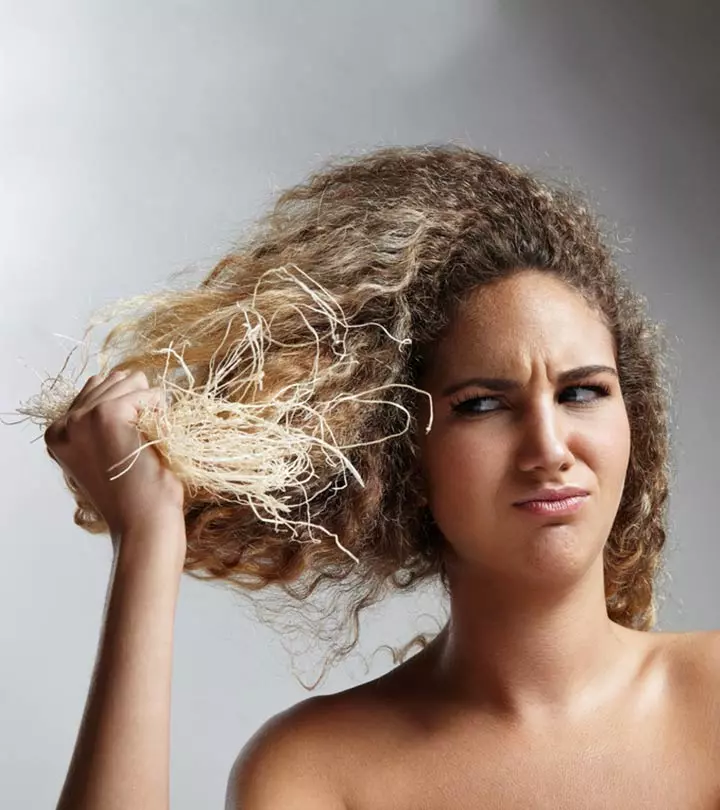
Frizz happens when dry hair rubs against fabric or hands. Consequently, switch to a cotton T-shirt or microfiber towel. Keep your hands off the hair until it is at least 80% dry. Also, use cool air at the end of diffusing to set the shape. However, do not brush dry waves or curls.
Fix Weak Hold
Water-only texture fades faster than product-set texture. Therefore, use stronger mechanical shaping, such as braids or twists. In addition, let hair dry completely before removing any ties. Specifically, damp hair will stretch and lose the bend. On the other hand, fully dry hair holds the pattern longer.
How to Preserve Texture Overnight
Sleep on a satin pillowcase or a cotton T-shirt. Gather hair in a loose pineapple on top of the head. However, avoid tight bands that leave dents. In the morning, shake roots gently and avoid brushing. Consequently, your waves and volume last into the next day.
Use a Loose Pineapple
A pineapple protects curl clumps while you sleep. First, flip your head forward. Then gather hair loosely at the top of the head. Next, secure it with a soft scrunchie. Do not twist the hair tightly. Therefore, the pattern stays intact without tension.
Expert Tips and Best Practices
We tested dozens of small adjustments. These six tips gave the most reliable results. Furthermore, they require no styling products and no expensive tools. Use them as a repeatable baseline.
- Use a cotton T-shirt, not a terry towel. Terry loops create friction and break up waves. A smooth cotton shirt absorbs water gently.
- Scrunch upward, then stop. Upward motion encourages volume. However, over-scrunching causes frizz, so limit each section to five scrunches.
- Keep your hands off drying hair. Every touch disturbs the setting pattern. Therefore, set a timer and resist the urge to check.
- Try overnight braids for reliable waves. Loose braids are comfortable and create consistent bends. In addition, they work well on straight hair that resists scrunching.
- Use cool air to finish. Low heat speeds drying, but cool air sets the cuticle. Consequently, finish every diffuser session with 30 seconds of cool air.
- Check your scalp routine. Flakes and buildup can flatten texture. Meanwhile, if flakes are part of your scalp story, read our research on dandruff shampoo growth.
Product-Free vs Product Styling: Trade-Offs
Product-free texture is lighter and gentler on the scalp. However, it fades faster and offers less humidity resistance. Product styling gives stronger hold but can weigh hair down. Therefore, choose based on occasion and hair type. For example, braids work well for all-day events. On the other hand, scrunching suits relaxed weekends.
When to Choose Product-Free Texture
Choose product-free texture for low-frizz days and indoor events. It also works well for scalp-sensitive readers. In addition, it gives natural movement without crunch. However, plan for touch-ups if humidity rises. Meanwhile, keep a cotton T-shirt nearby for quick drying.
Frequently Asked Questions
Can I make my hair texture without products and without heat?
Yes, you can create texture with water, scrunching, braiding, and air-drying. However, the results are temporary and fade after washing or humidity. For stronger hold, use tension methods like braids or twists. Therefore, combine two methods for better staying power.
How long does product-free texture last?
Most water-only texture lasts one day. Braids and twists can last two days if you sleep carefully. However, humidity and touching shorten the effect. In addition, fine hair usually loses shape faster than coarse hair.
Does plopping work on straight hair?
Plopping works best on wavy and curly hair. On straight hair, it may add slight volume but not lasting waves. Instead, try overnight braids or a high bun. Consequently, straight hair needs tension rather than scrunching.
Why does my hair go frizzy after scrunching?
Frizz appears when you touch hair while it dries. It also happens when you use a rough towel. Therefore, scrunch gently and then leave hair alone. In addition, avoid brushing dry waves.
Can I use sea salt spray as a product-free option?
No, sea salt spray is a styling product. It contains salt and often other ingredients. For a true product-free test, use plain water only. However, salt water from the ocean can add texture naturally, but it can also dry hair.
How often should I test a new method?
Test one method for three washes before judging it. Hair pattern and humidity change daily. Therefore, one attempt is not enough data. In addition, take photos in the same lighting for fair comparison.
Conclusion
Product-free texture comes from water, motion, tension, and drying control. We verified that scrunching, plopping, braiding, and low-heat diffusing can all create visible texture. However, each method suits different hair types and schedules. Therefore, start with one technique and adjust gradually. With practice, you can shape waves and volume without gels, mousses, or sprays. Overall, your hands and your drying routine are the most powerful tools you already own.