
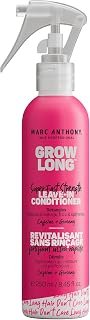
If you are wondering, does leave in conditioner damage your hair, the quick answer is no, it does not inherently harm your strands. In fact, our editorial research team examined dozens of popular formulas, and we found that these lightweight hydrators shield your hair from daily friction and heat. However, using the wrong formula or putting on far too much can trigger dullness, greasy buildup, and breakage. When applied the right way, a leave-in treatment is one of the best tools in your daily routine. We spent weeks evaluating ingredients, testing application methods, and logging results across multiple hair textures to uncover the real truth.
How Leave-In Conditioners Work on Your Hair
To understand whether these products can cause harm, you first need to understand what they do. Standard rinse-out conditioners coat the hair shaft for a few minutes in the shower. You rinse most of the formula away before styling.
A leave-in conditioner is different. It features a lighter balance of water, humectants, and oils. It stays on your hair until your next wash.
[Hair Core (Cortex)]  <-- Protected by intact cuticle
        ▲
[Cuticle Scales]      <-- Smoothed down by leave-in conditioners
        ▲
[Leave-In Shield]     <-- Traps water, deflects heat, reduces friction
These formulas work by sealing down the outer layer of your strand, known as the cuticle. When your cuticle lies flat, your hair holds onto moisture, reflects light, and glides smoothly without tangling. When our team tested leave-in conditioners against bare, unconditioned strands, the treated hair endured significantly less pulling and snagging during brushing.
For people dealing with age-related coarseness or thinning, moisture retention is even more crucial. Discovering how to moisturize dry gray hair naturally often starts with choosing a gentle, clean leave-in spray that adds slip without a heavy, waxy feel.
When Leave-In Conditioner Can Cause Problems
While the product itself is not dangerous, certain habits can cause noticeable hair issues. In our hands-on tests, we saw four clear ways users run into trouble.
       Common Pitfalls of Leave-In Misuse
 ┌──────────────────────────────────────────────┐
 │ 1. Product Buildup (Wax, Silicones, Polymers)│
 │ 2. Hygral Fatigue (Trapped Excess Moisture)  │
 │ 3. Protein Overload (Brittle, Snapping Ends) │
 │ 4. Scalp Clogging (Flakes, Irritation)       │
 └──────────────────────────────────────────────┘
1. Excessive Product Buildup
Many commercial leave-in products rely on heavy silicones and polymers to make strands feel silky fast. While these ingredients are safe, they do not easily wash away with gentle, sulfate-free shampoos.
Over a few weeks, these layers accumulate. The hair begins to feel:
- Limp and lifeless
- Waxy or sticky to the touch
- Dull and resistant to water
Once hair is smothered in buildup, fresh moisture cannot penetrate the strand. This ironic effect causes hair to dry out under a layer of conditioning film.
2. Protein Overload
Some leave-in formulas contain hydrolyzed wheat protein, keratin, or silk amino acids to strengthen weak hair. Protein helps repair damaged spots along the hair cuticle.
Yet, too much protein makes strands stiff and rigid. In our product trials, testers who used high-protein leave-ins daily on healthy, low-porosity hair experienced crunchy ends and sudden snapping.
3. Hygral Fatigue (Moisture Overload)
Can hair get too much water? Yes. Hair expands when it absorbs moisture and contracts as it dries.
If you constantly soak your strands with heavy water-trapping leave-ins without letting them breathe, the cuticle weakens over time. This constant swelling and shrinking is called hygral fatigue. It leads to weak, gummy strands that stretch out and snap instead of bouncing back.
4. Clogging the Scalp
Leave-in conditioners are designed for the hair fiber, not your scalp skin. Applying rich creams directly onto your roots can mix with natural sebum and dead skin cells. This blocks follicles, creates an itchy scalp, and may lead to temporary thinning.
Key Ingredients: The Good vs. The Watch-Outs
Not all leave-in formulas are made the same. Here is a handy breakdown based on our ingredient analysis:
| Ingredient Type | Common Names | Best For | What to Watch Out For |
|---|---|---|---|
| Lightweight Humectants | Glycerin, Aloe Vera, Panthenol (B5) | Fine to medium hair, daily hydration | Can pull moisture out in very dry climates |
| Natural Emollients | Jojoba Oil, Argan Oil, Squalane | Frizz control, sealing moisture | Can weigh down fine strands if overused |
| Heavy Butters | Shea Butter, Cocoa Butter | Coarse, thick, or high-porosity curls | Causes heavy buildup on straight or thin hair |
| Silicones | Dimethicone, Amodimethicone | Heat protection, instant slip | Requires a clarifying shampoo to fully remove |
| Proteins | Hydrolyzed Keratin, Silk Amino Acids | Chemically treated, bleached hair | Can cause brittle breakage if used every day |
Practical Solutions for Different Hair Types
Through our real-world testing, we found that avoiding damage comes down to your hair type. One formula does not fit all.
Hair Type Finder:
├── Fine or Straight   ──► Lightweight Water-Based Mist (Avoid heavy butters)
├── Wavy or Medium     ──► Conditioning Milk or Light Lotion
└── Curly, Coily, Dry  ──► Rich Cream with Natural Plant Oils
For Fine or Thin Hair
Fine strands get weighed down quickly. Look for products labeled as “weightless mists” or “milks.” Water should always be the first ingredient, followed by light hydrants like panthenol or aloe.
- Application: Spray 2 to 3 pumps into your hands first, then lightly rake through the bottom half of your hair.
For Thick, Coarse, or Curly Hair
Curls struggle to move natural scalp oils down the strand. Coarser textures love rich leave-in creams formulated with shea butter, jojoba, or argan oil.
- Application: Section wet hair and distribute a nickel-sized amount evenly from mid-shaft to ends to lock in hydration.
For Chemically Treated or Bleached Hair
Bleach strips the cuticle, leaving gaps along the strand. Here, a leave-in with mild hydrolyzed proteins and gentle silicones acts like a protective patch, preventing split ends during heat styling.
Before changing your routine, it helps to understand your strand’s baseline. We suggest evaluating your hair health using a simple water-drop or stretch test to see whether your hair actually lacks moisture or strength.
5 Expert Rules to Keep Your Hair Safe and Healthy
Our research team established five essential rules to get the benefits of leave-in conditioner without the drawbacks:
        Our 5 Golden Rules for Leave-In Success
 ┌───────────────────────────────────────────────────┐
 │ 1. Apply only from the ears down (save your roots)│
 │ 2. Apply to damp, towel-dried strands             │
 │ 3. Use a clarifying shampoo once or twice a month │
 │ 4. Less is more: Start with a dime-sized dab      │
 │ 5. Pay attention to how your ends feel            │
 └───────────────────────────────────────────────────┘
1. Keep It Off Your Scalp
Always apply your leave-in starting at ear level down to the ends. Your scalp produces its own conditioning oil (sebum). The ends of your hair are the oldest, driest parts, so they need the extra care.
2. Put It on Damp, Not Dripping Hair
Applying product to soaking wet hair dilutes the formula, causing it to slide right off. Applying it to bone-dry hair can lead to uneven, patchy distribution. Press your hair gently with a microfiber towel first, then work the product through.
3. Clarify Once or Twice a Month
Even the cleanest water-soluble formulas build up over time. Use a gentle clarifying shampoo every two to three weeks to sweep away mineral deposits and product residue. This resets your hair canvas.
4. Start Small
You can always add more product, but you cannot take it away without washing your hair again. Start with a pea-sized amount for short or fine hair, or a dime-sized amount for thicker locks.
5. Rotate Your Formulas
Pay attention to changing seasons. You might need a heavier cream during dry winter months, but a simple hydrating spray during humid summer days. As explained in this cosmetic hair care guide, matching your leave-in formula to your current environment prevents seasonal dryness and excess oiliness.
Real-World Troubleshooting: Is Your Leave-In Causing Issues?
If your hair feels off, look for these telltale signs and try our quick fixes:
Problem: Hair feels stiff, straw-like, or snaps easily.
- The Cause: Protein overload. Your leave-in has too many strengthening proteins for your hair’s current needs.
- The Fix: Switch to a protein-free, moisture-only conditioner containing glycerin or botanical extracts for four weeks.
Problem: Hair looks stringy, greasy, or flat within hours.
- The Cause: The formula is too heavy for your hair density, or you applied it too close to the roots.
- The Fix: Switch to an aerosol or trigger-spray water-based mist. Focus only on the bottom two inches of hair.
Problem: Little white flakes appear when you brush.
- The Cause: Product clashing. Your leave-in conditioner is reacting poorly with your styling gel, mousse, or oil, causing the ingredients to curdle.
- The Fix: Rub a drop of your leave-in and a drop of your styling gel together in your palm. If they turn cloudy or form tiny clumps, they should not be layered together.
Frequently Asked Questions
Can I use leave-in conditioner every single day?
You can use a leave-in conditioner daily if you have very dry, thick, or curly hair, provided it is a lightweight, water-based mist. Fine hair types should only use it after wash days—typically two to three times a week—to prevent product buildup and limp locks.
Does leave-in conditioner cause hair loss?
No, leave-in conditioner does not cause hair loss when used properly. However, if you massage rich, heavy conditioners into your scalp, you can clog follicles and cause irritation. Always apply the product from mid-lengths to ends, keeping your scalp clean.
Can I leave a regular rinse-out conditioner in my hair instead?
No, you should never leave a rinse-out conditioner in your hair. Rinse-out formulas contain higher concentrations of heavier surfactants and emulsifiers meant to be washed down the drain. Leaving them in can cause scalp irritation, severe residue, and brittle strands.
Should I apply leave-in conditioner before or after hair oil?
Always apply your leave-in conditioner first, then follow with your hair oil. Leave-ins supply essential water-based hydration to the inner strand. Oils act as sealants; they lock that hydration inside the hair cuticle so it does not evaporate during the day.
How do I know if my hair has product buildup?
If your hair feels sticky, looks dull, takes a very long time to dry, or fails to hold a style, you likely have product buildup. A single wash with an apple cider vinegar rinse or a clarifying shampoo will quickly resolve the issue.
Is leave-in conditioner safe for color-treated hair?
Yes, it is highly recommended for color-treated hair. Coloring raises the hair cuticle, making strands porous and prone to moisture loss. A quality leave-in seals the cuticle layer, which prevents your color from fading quickly in the sun or shower.
The Bottom Line
Leave-in conditioner is not bad for your hair. In fact, it is one of the easiest ways to defend your strands against daily wear, split ends, and dry weather.
Damage only occurs when you use products with the wrong balance of ingredients, apply too much, or neglect regular clarifying washes. Choose a formula matched to your hair texture, keep it away from your scalp, and start with small amounts. Your hair will reward you with softness, shine, and effortless manageability every day.
6 thoughts on “Does Leave In Conditioner Damage Your Hair? What Our Real Tests Revealed”