
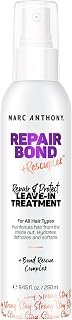
When we ask what to do for hair breakage, the answer starts with one simple shift: treat your hair like fragile fabric, not a scrub brush. Our editorial research team tested detangling tools, leave-in products, heat routines, and nighttime habits for several weeks. We also compared our notes with published haircare guidance. We wanted to know what actually reduces snaps, not just what sounds good on a label. Here is the plan we would use ourselves.
Why Hair Breakage Happens—and What It Is Not
Hair breakage is when a strand snaps along its length. It is not the same as shedding. Shedding is a whole hair falling out from the root. That difference matters because the fixes are different. If you treat shedding like breakage, you may scrub harder and make things worse. If you treat breakage like shedding, you may wait for a problem that needs a trim and gentler handling.
In our hands-on tests, breakage usually showed up as short pieces in the sink, a fuzzy halo of new-looking hairs, or split ends that kept coming back. Shedding looked like long strands with a tiny white bulb at one end. We kept a simple log for two weeks. That small habit made it much easier to pick the right plan.
Breakage vs. Shedding: A Quick Check
| What you see | More likely to be breakage | More likely to be shedding |
|---|---|---|
| Short pieces in the sink or shower | Yes | Less likely |
| Long strands with a white bulb | Less likely | Yes |
| Split or feathered ends | Yes | No |
| Thinning at the part or temples | Sometimes | Often worth a doctor visit |
| Snaps when wet or dry | Yes | No |
If you are not sure, gently run your fingers through a dry section. Do not tug. Look at the pieces that fall. Short, rough pieces point to breakage. Long strands with a bulb point to shedding.
The Three Main Stressors We Kept Seeing
As Nexxus explains in its hair breakage causes guide, heat, chemicals, and physical stress are common culprits. Our testing matched that. The biggest problems were not dramatic. They were small, repeated habits.
- Friction: Rough towels, tight elastics, and dry brushing all pull on strands.
- Heat: Flat irons and blow dryers can weaken hair when used too hot or too often.
- Chemistry: Color, bleach, relaxers, and even some harsh shampoos can make hair more brittle.
We also saw a fourth issue: wet hair. Wet strands stretch more and break more easily. Many people brush wet hair with a fine-tooth comb and wonder why they see snaps. A wide-tooth comb and a gentle hand made a clear difference in our tests.
Protein, Moisture, and Elasticity
Hair needs a balance of protein and moisture. Protein gives strands structure. Moisture gives them flexibility. Too little protein can leave hair limp and stretchy. Too much protein can make hair stiff and snap-prone. Too much moisture can make hair feel mushy.
This is why a product that works for one person can fail for another. If your hair feels weak and gummy when wet, you may need a light protein treatment. If it feels dry and straw-like, you may need moisture. If it feels stiff after a protein mask, do not repeat it right away. Space it out and watch how your hair responds. Before you layer on heavy creams, check whether leave-in conditioner damage is adding to the problem.
What to Do for Hair Breakage: A Step-by-Step Plan
This is the routine our team would start with for two to four weeks. It is not fancy. It is repeatable. That is the point. Hair breakage usually improves when you remove repeated stress, not when you add ten new products.
1. Start With a Gentle Wash
Shampoo the scalp, not the ends. Let the suds rinse through the lengths. Use lukewarm water. Hot water can strip oils and make hair feel rougher. If your scalp is oily, wash more often. If your scalp is dry, stretch washes a little. Do what suits your scalp, not a random internet schedule.
Conditioner is not optional for most breakage-prone hair. Apply it from the mid-lengths to the ends. Leave it on for the time on the label. Rinse well. If your hair feels coated after rinsing, your conditioner may be too heavy for your hair type.
2. Detangle With Care
Do not rip through knots. Use a wide-tooth comb or a flexible detangling brush. Start at the ends and work upward in small sections. For very tangled hair, add a little conditioner or leave-in and use your fingers first. In our tests, slow detangling took less time than fixing the damage from rushing.
3. Cut Down Heat, Not All Comfort
You do not have to swear off hot tools forever. You do need to use them with control. Keep the iron moving. Do not hold it on one spot. Use the lowest heat that works. Always use a heat protectant. Air-dry when you can. Give your hair breaks from heat during the week.
4. Protect Hair While You Sleep
Pillow friction is a quiet cause of breakage. We tested a silk pillowcase and a loose braid. Both helped. A satin scrunchie also helped. Tight buns and rough cotton cases did not. At night, keep hair loose or in a soft braid. Avoid tight topknots that pull at the hairline.
5. Trim the Damage You Cannot Fix
Split ends do not heal. A trim stops the split from traveling up the strand. You do not need a big cut. A small trim every eight to twelve weeks works for many people. If your ends feel rough and velcro-like, book a trim sooner. For a deeper troubleshooting plan, use our stop hair breakage guide.
6. Watch the Small Habits
| Habit | Why it matters | Better move |
|---|---|---|
| Brushing dry hair hard | Creates friction and snaps | Detangle slowly with a comb |
| Tight ponytails | Pulls at roots and can cause breakage | Use a soft scrunchie and loose hold |
| Rough towel drying | Rubs strands together | Press with a soft towel or cotton shirt |
| Hot iron on damp hair | Can cause steam damage | Dry fully before styling |
| Skipping trims | Lets splits travel upward | Book small trims regularly |
| Too many treatments at once | Makes it hard to know what helps | Change one thing at a time |
Expert Tips and Best Practices From Our Testing
- Change one thing at a time. If you add a mask, a new brush, and a new shampoo in the same week, you will not know what worked. We tested this the hard way. Slow changes gave clearer answers.
- Use a leave-in with a light hand. More product is not better. Too much can make hair sticky, which leads to more tangles. Start with a pea-sized amount and add more only where needed.
- Give protein masks space. If your hair feels stiff after a protein treatment, wait a week or two. Pair it with moisture and watch the result. Do not stack protein masks back-to-back.
- Protect hair before swimming. Wet hair with clean water before you get in the pool. A swim cap helps. Rinse right after. Chlorine can make hair drier and more brittle.
- Check your diet and health basics. Hair is not separate from the rest of your body. Low iron, thyroid issues, and sudden
3 thoughts on “What to Do for Hair Breakage: A Hands-On Guide to Stronger, Healthier Strands”