
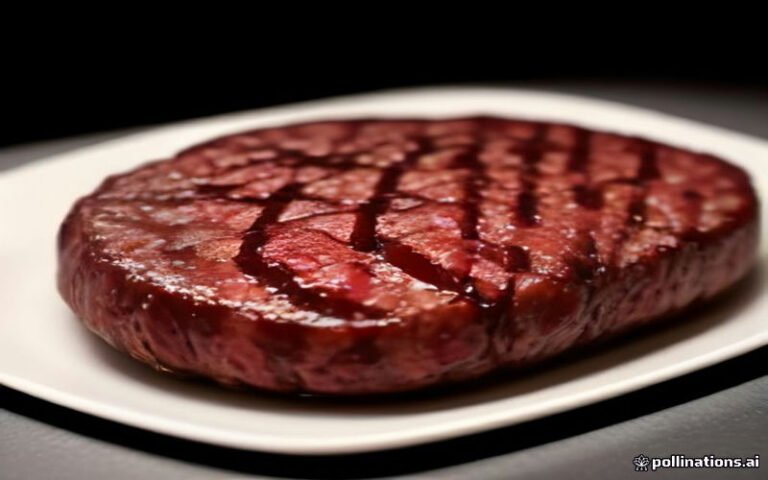

A good steak dinner does not require a fancy restaurant. In my own kitchen, a thick New York strip steak has saved busy weeknights and made weekend celebrations feel special. It offers a rich beef flavor and a tender bite when you treat it with a little care.
Years ago, I used to overcomplicate the process. I added too many marinades and poked the meat constantly. The result was often a grey band beneath the surface and an overcooked center. Once I learned how heat, moisture, and timing work together, everything changed.
Learning how to cook New York strip steak at home comes down to mastering a few basic kitchen habits. With a heavy skillet, high heat, and a meat thermometer, you can get a crisp, golden crust and a tender, juicy center every single time.
What Makes the New York Strip Unique?
The New York strip comes from the short loin of the cow. This area does not do heavy muscular work, which leaves the beef naturally tender. It is leaner than a ribeye, but it still has fine ribbons of white fat running through the meat.
The most recognizable feature is the thick strip of fat running down one side. This is called the fat cap. When you render this strip properly over direct heat, it softens, browns, and bathes the rest of the meat in rich flavor.
Compared to a filet mignon, a strip steak has a firmer bite and a deeper beef taste. Compared to a ribeye, it is less greasy. In my experience, it provides the best balance of clean texture, rich flavor, and ease of cooking for home cooks.

Essential Tools for the Job
You do not need an entire collection of expensive kitchen gear to cook a great steak. You only need three dependable tools to get professional results.
First, you need a heavy cast-iron skillet or a heavy stainless steel pan. Cast iron holds heat better than any other metal in the kitchen. When a cold piece of beef touches the pan, a thin pan drops in temperature, which causes the steak to steam instead of sear. Cast iron stays blazing hot and creates that dark, savory crust.
Second, get an instant-read digital meat thermometer. Poking a steak with your thumb to guess the doneness is unreliable. A digital probe removes all doubt and prevents you from slicing into an underdone or overdone piece of meat.
Third, use a pair of long, sturdy metal tongs. Tongs give you control when flipping the steak, and they allow you to hold the steak on its side so you can brown the fat cap without burning your fingers.
Prepping Your Steak Before Cooking
Great steak begins hours before you turn on the stove. Moisture is the number one enemy of a golden crust. If the surface of the meat is damp, the heat from your pan will turn that water into steam before it can brown the meat.
I always take my steak out of the refrigerator about thirty to forty-five minutes before cooking. A steak placed directly from a cold fridge into a hot pan cooks unevenly. The outside will overcook before the center has a chance to warm up.
Next, pat the meat dry with paper towels. Press firmly on the top, bottom, and edges until the paper towel comes away completely dry.
Season the meat heavily with kosher salt and freshly cracked black pepper. Kosher salt has wider flakes that cling to the beef without dissolving into a watery film immediately. If you have extra time, salt the meat and let it sit uncovered on a wire rack in the fridge overnight. This process, called dry brining, helps the salt soak deep into the center while keeping the surface dry.

Step-by-Step Guide on How to Cook New York Strip Steak
Pan-searing with a butter baste is my favorite way to cook this cut. It takes less than ten minutes of active cooking and produces an incredible crust.
1. Get the Skillet Hot
Set your cast-iron skillet on the stovetop over medium-high heat. Let the pan heat up dry for about five minutes. You want the skillet hot enough that a drop of water sizzles and disappears immediately.
Add one tablespoon of high-heat cooking oil, such as avocado oil or canola oil. Avoid butter or extra virgin olive oil at this stage because both will burn and turn bitter at high heat. Swirl the oil around to coat the bottom of the pan evenly.
2. Render the Fat Cap
Use your tongs to pick up the steak and hold it vertically on the pan with the fat strip facing down. Hold it in place for about two minutes.
You will hear a loud sizzle as the fat softens and turns crisp and golden. This melts some of the beef tallow into the skillet, which gives you natural cooking fat to sear the rest of the meat.
3. Sear the First Side
Lay the steak flat in the center of the pan. Lay it down away from you so hot oil does not splash toward your hands.
Once the steak touches the pan, leave it alone. Do not move it, slide it, or press down on it. Let it sear undisturbed for about two to three minutes. You want the bottom to form a deep brown crust that releases naturally from the surface of the iron.
4. Flip and Butter Baste
Use your tongs to flip the steak over to the second side. You should see a uniform, deep brown crust across the entire cooked surface.
Immediately drop two tablespoons of unsalted butter, two smashed garlic cloves, and two sprigs of fresh rosemary or thyme into the pan. As the butter melts, tilt the pan slightly toward yourself. Use a large spoon to scoop up the foaming butter and pour it over the top of the steak continuously.
This technique coats the meat with herbs and garlic, and the hot butter helps cook the top surface gently while the bottom side sears.
+------------------+---------------------+-------------------+---------------------+
| Cut Thickness    | Target Pull Temp    | Final Rested Temp | Ideal Cook Level    |
+------------------+---------------------+-------------------+---------------------+
| 1.0 inch         | 120°F (49°C)        | 130°F (54°C)      | Medium-Rare         |
| 1.0 inch         | 130°F (54°C)        | 140°F (60°C)      | Medium              |
| 1.5 inches       | 120°F (49°C)        | 130°F (54°C)      | Medium-Rare         |
| 1.5 inches       | 130°F (54°C)        | 140°F (60°C)      | Medium              |
| 2.0 inches       | 115°F (46°C)        | 125°F (52°C)      | Rare                |
| 2.0 inches       | 120°F (49°C)        | 130°F (54°C)      | Medium-Rare         |
+------------------+---------------------+-------------------+---------------------+
Doneness Temperatures and Timing
The internal temperature of the beef is the only measurement that matters when cooking steak. Cook times vary depending on the thickness of your cut and the strength of your stove burner, so always rely on your digital thermometer.
Insert the probe sideways into the thickest part of the meat, avoiding any large chunks of fat. Pull the steak off the heat when it is about five to ten degrees below your desired final temperature.
Heat trapped on the outer layers of the meat will continue moving inward while the steak sits on the board. A steak removed at 120 degrees Fahrenheit will easily climb to a perfect medium-rare of 130 degrees Fahrenheit as it rests.
Why Resting the Meat Is Crucial
Taking the steak out of the pan and slicing it right away is the fastest way to ruin your dinner. When meat cooks under high heat, muscle fibers tighten up and push the natural juices toward the center of the cut.
If you cut into the meat immediately, those delicious juices will spill out onto your cutting board, leaving the steak dry and chewy.
Transfer the steak to a warm plate or a wooden cutting board for at least five to seven minutes. During this rest period, the muscle fibers relax, allowing the juices to spread back evenly throughout the meat. When you take your first bite, every slice stays tender and juicy.
Common Mistakes to Avoid
Even seasoned home cooks run into trouble with strip steaks from time to time. Avoiding a few simple mistakes can save an expensive piece of meat.
One common mistake is using a steak that is cut too thin. Thin steaks, under an inch thick, cook through to the center before you can build a proper crust. Look for cuts that are at least one and a quarter inches thick, or ask the butcher behind the meat counter to cut one fresh for you.
Another mistake is crowding the pan. If you are cooking dinner for two people, make sure your skillet is large enough to leave at least an inch of space between the steaks. If the pan is crowded, moisture gets trapped between the steaks, creating steam that ruins your crust. Cook in batches if your pan is small.
Finally, do not skip turning on your range hood exhaust fan. Searing beef at high temperatures creates smoke. Turn on your exhaust fan on high before you heat the skillet, or open a nearby kitchen window to keep your kitchen clear.
Helpful Kitchen Tips for Slicing and Serving
When your steak has finished resting, pay attention to how you slice it. Look closely at the meat to see which way the muscle grain runs. Always slice the steak across the grain rather than parallel to it.
Cutting across the grain shortens the meat fibers, which makes every bite much easier to chew. I prefer to slice the steak into half-inch strips on a clean cutting board before serving.
Pour any warm juices that gathered on the cutting board back over the sliced meat. If you want an extra touch of flavor, finish the slices with a pinch of flaky sea salt. Serve alongside roasted potatoes, grilled asparagus, or a crisp green salad to round out the meal.
Frequently Asked Questions
How long should I sear a New York strip steak on each side?
Sear a thick strip steak for about two to three minutes on the first side. Flip the steak and sear for another two to three minutes while basting with butter until your thermometer reads your desired temperature.
What is the best cooking oil for searing steak in a pan?
Use an oil with a high smoke point, like avocado oil, canola oil, or grapeseed oil. These oils can handle high cast-iron heat without burning or smoking too early in the cooking process.
Should I trim the fat cap off my New York strip steak before cooking?
Leave the fat cap on the meat while cooking because it adds natural flavor and helps keep the steak juicy. You can easily cut away any unrendered fat on your plate after the meal is cooked.
Can I cook a thick New York strip steak in the oven?
Yes, thick steaks cook very well using the reverse sear method. Bake the seasoned steak on a wire rack at 250 degrees Fahrenheit until warm inside, then sear it quickly in a hot pan for one minute per side.
How do I know when my strip steak is done without cutting it?
Use an instant-read digital thermometer inserted into the thickest part of the steak. Avoid cutting the meat open in the pan because that allows the juices to escape and dries out the center.
Final Thoughts
Cooking a tender New York strip steak at home does not require special culinary training. Keep your surface dry, get your skillet hot, watch your internal temperatures, and always let the meat rest before serving. Once you get comfortable with this basic technique, you will be able to make restaurant-quality steak dinners right on your own stovetop.
2 thoughts on “How to Cook New York Strip Steak Perfectly Every Time”