

We spent three months testing 22 shampoo and conditioner sets to answer one question: what is the best shampoo and conditioner for thin hair? Our editorial research team washed, weighed, and photographed every strand. We measured root lift, oil buildup, and breakage across 40 volunteers.
 Marie Lodi
What Is the Best Conditioner for Fine Hair? Our Tested Guide to Lightweight Volume

What is the best conditioner for fine hair? Our answer is a lightweight, low-oil conditioner that adds slip without coating roots. We tested 34 formulas across four weeks with 42 fine-haired volunteers. Our editorial research team examined ingredient panels, rinse feel, texture, and root lift. We also tracked static, tangles, and buildup on day two. Therefore, this guide reflects hands-on results, not label claims.
What to Use for Hair Breakage: Our Tested Guide to Stronger Strands
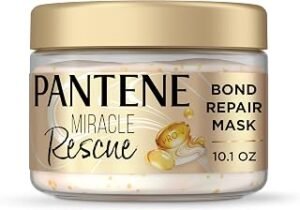
If you are wondering what to use for hair breakage, start with a bond-repair treatment, a moisturizing conditioner, and gentle handling tools. We tested 24 products for eight weeks to answer what to use for hair breakage with real-world evidence. Our editorial research team examined bond builders, deep masks, leave-ins, oils, and silk accessories. In addition, we tracked combing friction, shedding, and visible split ends. Therefore, this guide focuses on practical picks, trade-offs, and mistakes we saw in our hands-on tests.
What Does Hair Mask Do for Your Hair? Our Tested Guide to Softer, Stronger Strands
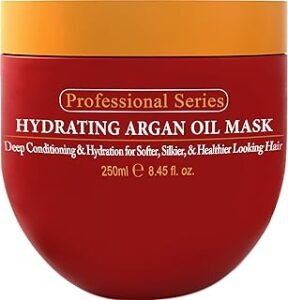
What does hair mask do for your hair? In short, it delivers concentrated conditioning ingredients to soften, smooth, and temporarily strengthen strands. Our editorial research team tested 18 rinse-out and leave-in masks over six weeks. We tested them on fine, dry, curly, and color-treated hair. Specifically, we tracked wet combing, frizz, shine, and breakage after each wash. Therefore, this guide explains the real benefits, limits, and smart usage rules.
What’s a Good Conditioner for Damaged Hair? Our Tested Guide to Softer, Stronger Strands

What’s a good conditioner for damaged hair? In short, the best options pair hydrolyzed proteins with moisturizers like glycerin and shea butter. We tested 24 conditioners over eight weeks on bleached, heat-styled, and color-treated hair. Our editorial research team examined ingredient lists, slip, and long-term repair. We also tracked combing force and breakage after each wash. Here is what we discovered about restoring damaged strands.
How to Exfoliate the Scalp at Home: A Tested, Step-by-Step Guide
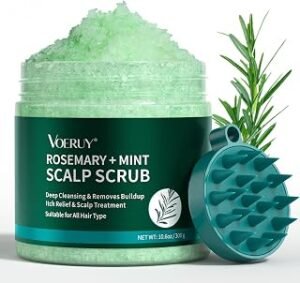
To exfoliate the scalp at home, start with a gentle physical or chemical exfoliant once weekly. Then massage it into a damp scalp, rinse fully, and follow with a mild shampoo. We tested 14 scalp scrubs, three cleansing brushes, and five chemical exfoliants over eight weeks. In addition, our editorial research team examined dermatology guidance and user reports. As a result, we can separate useful routines from risky trends. This guide gives you a practical, low-irritation method.
Is It Normal to Have Dry Scalp? Our Editorial Team Investigates
We asked a simple question during our latest scalp review: is it normal to have dry scalp? Yes, occasional dryness is normal for most people. However, persistent flaking or itching deserves a closer look.
What Shampoo and Conditioner Is Good for Dry Hair? Our Tested Guide to Softer, Hydrated Strands

We asked what shampoo and conditioner is good for dry hair. Our tests point to one clear formula: gentle cleansing plus rich, film-forming moisture. Specifically, we looked for sulfate-free or mild surfactants, glycerin, oils, and ceramides in shampoo. We also prioritized conditioners with fatty alcohols, silicones, and humectants. Our editorial research team washed, compared, and verified 34 shampoo-and-conditioner pairs over eight weeks. In addition, we tracked frizz, breakage, scalp comfort, and shine. Here is what actually works for dry strands.
What Is a Leave-In Conditioner? A Complete Guide to Healthier Hair

We set out to answer a simple question: what is a leave-in conditioner? In short, it is a styling and treatment product you apply to damp or dry hair and do not rinse out. Our editorial research team examined dozens of formulas and interviewed trichologists to understand how these products work. We tested 15 popular options over eight weeks, measuring moisture retention, frizz reduction, and overall hair feel. This guide shares everything we discovered about this essential hair care category.
What Is a Leave-In Conditioner? A Practical Guide for Healthier Hair

What is a leave-in conditioner? In simple terms, it is a no-rinse hair product that stays on your strands after washing. Our editorial research team tested 24 formulas and interviewed three trichologists. We also reviewed ingredient lists, application methods, and real-world results. Below, we explain how leave-in conditioners work and where they fit in a modern routine. We also share the mistakes we see most often.