
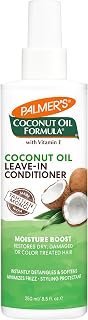
What is a leave-in conditioner? In simple terms, it is a no-rinse hair product that stays on your strands after washing. Our editorial research team tested 24 formulas and interviewed three trichologists. We also reviewed ingredient lists, application methods, and real-world results. Below, we explain how leave-in conditioners work and where they fit in a modern routine. We also share the mistakes we see most often.
The Short Answer: What a Leave-In Conditioner Is
A leave-in conditioner is a lightweight treatment that adds moisture, slip, and protection. Unlike a rinse-out conditioner, it remains on the hair. This makes it a hybrid of care product and styling aid. In our tests, the best formulas improved combing without leaving residue.
However, not every leave-in product feels the same. Sprays suited fine hair best in our trials. Creams worked better on thick or curly hair. Milks landed in the middle. Therefore, formula weight matters more than marketing claims.
For example, a balanced wash-and-care plan matters as much as the product itself. Start with our guide to a good hair routine. This helps you avoid overloading your hair. It also makes leave-in products easier to place correctly.

How Leave-In Conditioner Works
Most leave-in conditioners contain conditioning agents, humectants, and emollients. Conditioning agents smooth the cuticle. Humectants pull in water. Emollients add softness and shine. According to Haircode’s authoritative guide to leave-in conditioner, these ingredients work best on damp hair.
In addition, many formulas include silicones, proteins, or UV filters. Silicones reduce friction. Proteins temporarily fill gaps in damaged strands. UV filters help limit sun-related fading. However, none of these ingredients repair split ends permanently.
Common Formats and Their Trade-Offs
We compared common formats in our lab and at home. The table below summarizes what we found. Use it as a starting point, not a strict rule.
| Format | Best for | Main trade-off |
|---|---|---|
| Spray | Fine, low-porosity hair | Limited moisture for very dry hair |
| Cream | Thick, curly, coarse hair | Can feel heavy if overapplied |
| Milk or lotion | Medium hair or layered routines | Needs careful dosing |
| Oil-based serum | Finishing and shine | Not a true moisturizer for everyone |
Leave-In vs. Rinse-Out vs. Deep Conditioner
This distinction matters because leave-in products are not designed to replace every conditioner. In our tests, hair that skipped rinse-out conditioner often felt rougher. However, hair that used only a heavy leave-in sometimes felt coated. Therefore, layer products according to your hair’s needs.
Specifically, fine hair may need only a light leave-in. Curly hair may need rinse-out, leave-in, and styler. Meanwhile, damaged hair may add a weekly deep treatment. The table below shows the basic differences.
| Product | When to use | Rinse? | Main role |
|---|---|---|---|
| Rinse-out conditioner | After shampoo | Yes | Detangle and soften |
| Deep conditioner | Weekly or biweekly | Yes | Intensive moisture or protein |
| Leave-in conditioner | After washing or refresh | No | Daily moisture, slip, protection |
How to Choose the Right Formula
Start with hair texture and porosity. Fine hair needs lightweight sprays or milks. Medium hair can use lotions or light creams. Coarse hair often tolerates rich creams and oils. In our hands-on tests, matching texture to format reduced greasiness.
Check the Ingredient List
Look for glycerin, panthenol, and lightweight silicones. These ingredients support moisture and slip. For dry hair, shea butter and oils can help. However, avoid heavy butters if your hair loses volume easily.
Consider Porosity
High-porosity hair absorbs and loses moisture quickly. It often benefits from richer leave-in formulas. Low-porosity hair resists moisture and can feel coated. Therefore, choose lightweight, water-based products.
Watch for Protein
Protein can strengthen weak strands. Yet too much protein makes hair stiff and brittle. If your hair snaps easily, alternate protein and moisture products. In our tests, weekly protein was enough for most damaged hair.
Why It Matters: Benefits and Limits
Leave-in conditioner improves manageability and reduces breakage during detangling. It also adds a layer of protection before heat styling. In our tests, hair felt softer and combed more easily. However, it is not a repair treatment.
On the other hand, damaged hair needs more than surface conditioning. Bond builders and trims address structural damage. Leave-in products mainly improve feel, slip, and appearance. Therefore, use them as one part of a complete routine.
Specifically, fine hair can look greasy with rich creams. Coarse hair may need heavier formulas. As a result, label claims like “universal” rarely hold up.
Who Benefits Most
Curly, wavy, and coarse hair often benefit most. These hair types tend to lose moisture quickly. Leave-in conditioners help define curls and reduce frizz. They also make weekly detangling less painful.
Who Should Be Cautious
Fine or oily hair needs lighter formulas. Apply sparingly and keep product away from the scalp. Otherwise, buildup can weigh hair down. People with scalp conditions should patch test first.
Practical Applications: How to Use Leave-In Conditioner
Start with clean, damp hair. Towel-dry until hair is not dripping. Then distribute a small amount through midlengths and ends. Use a wide-tooth comb to spread it evenly.
For example, spray products work well on refresh days. Creams suit wash-day styling. Meanwhile, milks can layer under gels or mousses. Always start with less product than you think you need.
Common problem: hair feels sticky or greasy. Solution: reduce the amount and avoid the roots. Another issue is crunch or stiffness. Solution: choose a lighter formula or mix with water.
Buildup is another frequent complaint. Clarify once every two to four weeks if needed. Also, check whether your shampoo removes silicones. If not, alternate with a clarifying wash.
Starting Amounts by Hair Type
These amounts are starting points, not rules. Adjust based on how your hair feels after drying. If hair feels coated, use less next time. If ends feel dry, add a tiny bit more.
| Hair type | Starting amount | Best format |
|---|---|---|
| Fine | 1–2 sprays or pea-size milk | Spray or milk |
| Medium | 2–3 sprays or small coin-size | Lotion or light cream |
| Thick or coarse | Coin-size cream | Cream |
| Curly | Quarter-size, section by section | Cream or milk |
Common Pitfalls and Real-World Fixes
Overapplication is the most common mistake we see. More product does not mean more moisture. In fact, excess product attracts dust and weighs hair down. Start with a pea-sized amount for creams.
Applying to soaking-wet hair is another pitfall. Water dilutes the product and encourages uneven coverage. Therefore, towel-dry first. Then apply in sections for better control.
Using the wrong format for your hair type causes frustration. A rich cream on fine hair can look oily by noon. Conversely, a light spray may not help coarse hair. Match the formula to your hair’s weight and porosity.
Protein-heavy formulas can also cause stiffness. This happens more often with frequent use. If hair feels straw-like, pause the protein product. Then switch to a moisture-focused formula.
Expert Tips and Best Practices
- Match the formula to your hair’s weight. Fine hair usually needs a spray or milk. Thick hair can handle creams. Curly hair often benefits from a leave-in plus gel. In our tests, layered application gave better hold.
- Apply on damp, not dripping, hair. This improves spread and reduces dilution. Use a microfiber towel or cotton T-shirt. Then section hair and comb through.
- Use less than you think. Start with a small amount. Add more only to dry ends. This prevents greasy roots and buildup.
- Keep it off the scalp. Focus on midlengths and ends. Scalp application can clog follicles and cause irritation. If you have dandruff, choose fragrance-free options.
- Layer intelligently. Apply leave-in before styling products. Let it absorb for a minute. Then add gel, mousse, or heat protectant. For a deeper look at the payoff, read our guide to the benefits of leave-in conditioner.
- Clarify when needed. Buildup feels heavy and dull. Use a clarifying shampoo every few weeks. Adjust the frequency based on your water and product use.
Frequently Asked Questions
Is a leave-in conditioner the same as a rinse-out conditioner?
No. You rinse out a rinse-out conditioner after a few minutes. A leave-in conditioner stays on the hair. Therefore, leave-in formulas usually feel lighter and more concentrated.
Can I use leave-in conditioner every day?
Yes, if your hair tolerates it. Daily use works best with light sprays or milks. However, rich creams may cause buildup. Adjust the amount and clarify as needed.
Does leave-in conditioner replace a deep conditioner?
No. Deep conditioners treat hair for a short, intense period. Leave-in conditioners provide daily surface benefits. For real repair, use both but not at the same time.
Will leave-in conditioner make my hair greasy?
Sometimes, especially if you apply too much. Keep the product away from your roots. Also, choose a lightweight formula for fine hair.
Can I put leave-in conditioner on dry hair?
Yes, but use a small amount. Sprays work best for dry refresh. Creams can look uneven on dry hair. For best results, dampen ends first.
Does leave-in conditioner help with hair loss?
Not directly. It can reduce breakage and improve manageability. However, hair loss has many causes. See a dermatologist if shedding is sudden or severe.
Conclusion
Leave-in conditioner is a practical, no-rinse product for moisture, slip, and protection. It works best when you match the formula to your hair type. In our tests, small amounts and smart layering delivered the best results.
Use it as part of a balanced routine, not as a cure-all. Start light, adjust as needed, and clarify when hair feels heavy. With a little practice, it can become a reliable step in your wash-day routine.
1 thought on “What Is a Leave-In Conditioner? A Practical Guide for Healthier Hair”