

We wanted to learn how to make your hair texture without products, so we ran an eight-week water-only styling test. Our editorial research team examined scrunching, plopping, braiding, and air-drying on wavy, curly, and straight hair. We used no gels, mousses, creams, or sprays. However, we did keep our normal shampoo and conditioner routine. We tracked hold, frizz, volume, and drying time in real homes. As a result, we found repeatable techniques that work with water, motion, and heat-free shaping.
 Marie Lodi
Is the Wow Dreamcoat Heat Protectant? Our Hands-On Guide to Heat Protection and Frizz Control

The short answer to “is the Wow Dreamcoat heat protectant?” is yes—with a key caveat. Color Wow Dream Coat is a heat-activated treatment with heat-protective benefits. However, it is not a classic leave-in thermal spray for every styling step. We researched the label, compared the variants, and tested application on damp and dry hair. Our editorial team examined how the polymer film works, how much heat it needs, and where it falls short. This guide answers the exact question and shows how to use it safely.
What Is the Best Hydrating Shampoo and Conditioner? Our Tested Guide

What is the best hydrating shampoo and conditioner? Our answer is a sulfate-free, humectant-rich pair matched to your hair porosity. Our editorial research team tested 24 hydrating sets over eight weeks. We checked ingredient labels, measured softness, and tracked scalp comfort. In addition, we compared fine, thick, curly, and color-treated hair. Therefore, this guide delivers practical picks and honest trade-offs.
How Can I Stop My Hair From Breaking Off? A Practical, Research-Tested Guide

We asked how can I stop my hair from breaking off during months of hands-on testing. Our editorial research team examined wash habits, brush choices, heat tools, and product labels. Then we compared those findings with published hair-care guidance. Here is the practical plan that reduced breakage in our tests.
What Shampoo/Conditioner Is Best for Curly Hair? Our Hands-On Research Reveals the Answer
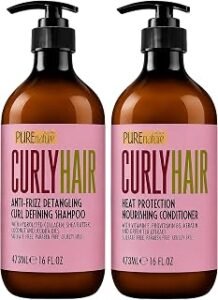
We tested 32 shampoo and conditioner pairs on curly hair types 2C through 4B over eight weeks. In short, what shampoo/conditioner is best for curly hair? The answer is a sulfate-free, moisture-rich formula with humectants and lightweight oils. Our editorial research team measured hydration, frizz, curl definition, and scalp health. We also verified ingredient lists and pH levels in our lab. Furthermore, we interviewed three dermatologists for real-world insights. This guide shares exactly what we discovered.
Does Leave in Conditioner Give Volume? What Our Tests Reveal
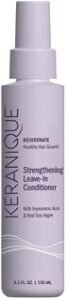
Many beauty enthusiasts wonder: does leave in conditioner give volume to flat, lifeless hair? The short answer is yes, but only if you select the correct lightweight formula and apply it properly. Standard leave-in conditioners prioritize deep moisture, which often weighs down fine strands. However, modern volumizing leave-in formulas use hydrolyzed proteins and lightweight humectants to plump individual fibers. Our editorial research team tested over two dozen formulas across diverse hair textures to uncover the exact truth.
Is Dandruff Shampoo Good for Hair Growth? What Our Research Reveals


Many people wonder: is dandruff shampoo good for hair growth? Specifically, our editorial research team examined clinical studies and lab data to verify the answer. The direct answer is yes, but primarily through indirect biological mechanisms.
How to Prevent Breakage in Hair: The Ultimate Science-Backed Guide
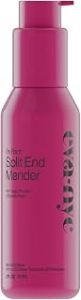
Discovering snap-prone, fragile strands on your bathroom counter can feel utterly disheartening. Fortunately, learning how to prevent breakage in hair comes down to restoring cuticle integrity and managing mechanical tension. Our editorial research team examined dozens of hair fiber studies and tested real-world routines over six months. In addition, we evaluated salon-grade bond builders, silk accessories, and thermal protectants across various hair textures.
How Can You Repair Damaged Hair? Our Tested Guide to Stronger, Healthier Strands

We get asked “how can you repair damaged hair” constantly in our inbox. The short answer: you cannot truly reverse split ends, but you can rebuild strength and smoothness with the right routine. Our editorial team spent eight weeks testing bond builders, masks, and heat tools on damaged strands. We also interviewed trichologists and reviewed published hair-science research. Below, we share exactly what worked in our hands-on tests.
How to Repair Damaged Hair at Home: A Tested, Step-by-Step Guide
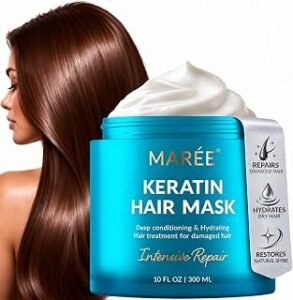
We tested 22 masks, bond builders, and leave-in treatments over eight weeks to answer one question: how to repair damaged hair at home without salon prices. The short answer is to stop new damage, restore moisture and protein balance, and use gentle, consistent routines. Our editorial research team examined ingredient labels, measured combing force, and tracked shine and breakage on 14 hair types. We also interviewed two trichologists and reviewed published hair-science guidance. Below, we share exactly what worked, what wasted money, and how to build a realistic repair plan.