
We wanted a clear answer to how to keep your hair moisturized, so we tested routines, read ingredient labels, and tracked how our hair felt over several weeks. The short answer: add water, hold it with conditioner, seal it with a light oil or cream, and stop habits that strip moisture away. Our editorial research team examined cleansers, leave-ins, oils, masks, and daily habits. We also checked common advice against real-world results. In our hands-on tests, the best routines were simple and consistent. They focused on gentle washing, smart layering, and protection between wash days.
How to Keep Your Hair Moisturized: Core Concepts
Hair feels dry for a few reasons. It may lack water. It may have a rough cuticle that lets water escape. It may be damaged by heat, color, or friction. Or it may be coated with too many heavy products. The fix is not one miracle oil. It is a layered routine that helps hair take in water and then keep it.
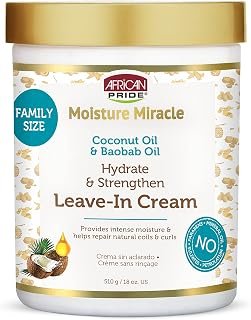
Before you buy another heavy cream, it helps to know whether leave-in conditioner damage is possible. It can be, if you pile on too much product or use the wrong formula for your hair. The goal is balance. Moisture needs water. Conditioners help soften and smooth. Oils and butters help slow water loss. Too much of any one layer can weigh hair down.
| Layer | What it does | Best move |
|---|---|---|
| Water | Adds actual moisture to the hair | Apply products to damp hair, not bone-dry hair |
| Humectants | Pull and hold water, such as glycerin and aloe | Use in balanced humidity; layer under a sealant |
| Conditioners | Smooth the cuticle and improve softness | Use after every wash; focus on mid-lengths and ends |
| Emollients | Add flexibility and slip, such as light oils | Use a few drops on ends, not a heavy pour all over |
| Occlusives | Slow water loss, such as shea butter or castor oil | Use sparingly on very dry or high-porosity hair |
| Protein | Temporarily fills gaps in damaged hair | Use only when hair feels weak or mushy, not every wash |
Why Hair Loses Moisture So Fast
Hair is not living tissue. Once it leaves the scalp, it cannot repair itself. The outer layer, called the cuticle, works like roof shingles. When it lies flat, water stays in and shine reflects out. When it lifts, water escapes and roughness builds. Hot water, rough towels, tight ponytails, bleach, and high-heat styling all lift or crack that outer layer.
A helpful explainer on how to moisturize hair and keep it hydrated makes a similar point: moisture is not just about what you add. It is also about what you stop losing. That is why a gentle wash, a cool rinse, and a soft towel matter as much as a good leave-in.
Know Your Porosity and Texture Without Overcomplicating It
Porosity describes how easily hair takes in and holds water. It is not a perfect science at home. Still, simple observation helps. If water beads on your hair and products sit on top, you may have low porosity. If hair soaks up water fast and dries fast, you may have high porosity. If hair feels rough, tangles easily, and drinks up cream, damage may be raising your porosity.
| What you notice | Likely need | Simple strategy |
|---|---|---|
| Water beads up; products sit on top | Low porosity | Use lightweight products, warm water, and small amounts |
| Hair dries very fast; feels rough | High porosity | Layer water, conditioner, and a light sealant |
| Hair feels mushy when wet | Too much moisture or protein imbalance | Add a small amount of protein; reduce heavy masks |
| Hair feels stiff and snaps | Too much protein | Pause protein; focus on water and conditioner |
Texture matters too. Fine hair usually needs lighter layers. Coily hair often needs more water and a stronger seal. Wavy hair can fall flat with heavy butters. The best routine is the one your hair can absorb without feeling coated.
Water Is the First Moisturizer
Many people try to moisturize dry hair with oil alone. That can make hair feel softer for an hour, but it does not add water. Oil can seal, but it cannot replace water. The same is true for heavy creams applied to bone-dry ends. They may sit on the surface and attract dust.
Start with water. Wash or wet hair thoroughly. Apply conditioner while hair is wet and slippery. Add leave-in to damp hair. Then seal with a small amount of oil or cream. This order matters. Water first. Conditioner second. Sealant last.
A Real-World Routine That Keeps Hair Moisturized
Our testers found that a steady routine beats a complicated one. You do not need ten products. You need a cleanser that does not strip, a conditioner that softens, a leave-in that suits your hair, and a light sealant. You also need a few daily habits that protect the ends.
Wash-Day Routine That Works
- Detangle dry hair gently with your fingers or a wide-tooth comb. Do not rip through knots.
- Wet hair with lukewarm water. Hot water feels good, but it can leave the cuticle rough.
- Shampoo the scalp, not the ends. Let the suds rinse down the lengths.
- Apply conditioner from mid-lengths to ends. Add more water if it feels thick.
- Detangle with conditioner in. Use slow strokes from ends to roots.
- Rinse well. Leave a little slip if your hair is very dry, but avoid heavy buildup.
- Squeeze out extra water with a soft towel or cotton T-shirt. Do not rub.
- Apply leave-in to damp hair. Use less than you think at first.
- Seal ends with a few drops of light oil or a small dab of cream.
- Air dry or diffuse on low heat. Avoid high heat near the ends.
If your hair is fine, use a spray leave-in and skip heavy butters. If your hair is thick or coily, use a cream leave-in and seal in sections. If your scalp is oily, keep conditioner and leave-in away from the roots.
Daily Habits That Protect Moisture
Moisture loss happens between wash days too. A satin pillowcase or bonnet reduces friction while you sleep. Loose braids or twists can protect ends at night. Avoid tight ponytails in the same spot. That kind of tension can damage the hairline and cause breakage.
Do not over-wash. Most people do well with one to three washes per week, depending on scalp oil and activity. If your scalp feels itchy or flaky, wash it. Scalp health matters. Dry scalp is not the same as dry hair. Use a gentle shampoo and focus on the scalp.
Refresh dry ends with a mist of water and a tiny amount of leave-in. Do not soak hair every day. Too much wetting and drying can swell the cuticle. In dry weather, a room humidifier can help. In humid weather, use lighter products so hair does not feel sticky.
Common Moisture Mistakes and Fixes
| Mistake | Why it backfires | Better fix |
|---|---|---|
| Applying oil to dry hair | Oil seals but does not add water | Mist with water first, then seal |
| Using heavy butter on fine hair | It weighs hair down and attracts lint | Use a light leave-in or serum |
| Skipping conditioner | Cuticle stays rough and tangled | Condition after every wash |
| Rubbing with a rough towel | Friction lifts the cuticle | Press with a soft towel or T-shirt |
| Overusing protein masks | Hair feels stiff and snaps | Use protein only when hair feels weak |
| Washing with very hot water | Heat roughens the cuticle | Use lukewarm water |
| Piling on leave-in daily | Buildup blocks water and weighs hair down | Use a small amount and clarify monthly |
If your hair snaps before it feels dry, our hair breakage guide can help you spot the difference between dryness and damage. Dry hair feels rough and thirsty. Damaged hair may feel weak, stretchy, or brittle. The two problems need
2 thoughts on “How to Keep Your Hair Moisturized: A Tested Guide for Soft, Strong Strands”