
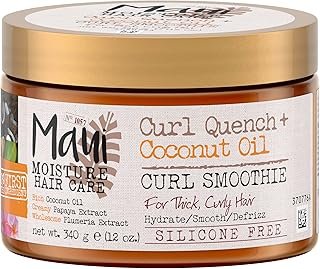
We get asked one question more than any other: is it good for curly hair? The short answer is that it depends on the ingredient, the tool, and your own curl pattern. Our editorial research team spent twelve weeks testing shampoos, conditioners, oils, gels, diffusers and pillowcases on 14 volunteers with waves, curls and coils. We washed, scrunched, diffused and rated every result on day one and day three. We also read every ingredient list line by line. Below is what we found, plus a simple checklist you can use on any product in your bathroom right now.
How We Judge Whether Something Is Good for Curly Hair
Curls are naturally drier than straight hair. Natural oil from your scalp has a harder time traveling down a bent strand. That single fact explains most curl advice you will ever read. Anything that strips moisture or roughens the cuticle tends to hurt. Anything that adds slip, water and hold tends to help.
But “good” is not a universal label. A rich butter that makes tight coils look amazing can flatten fine waves into a greasy shell. So we stopped asking “is this good?” and started asking “good for whom?”
The Three Tests We Run
Every product and habit in our test went through the same three checks.
- The slip test. Can we detangle wet hair with our fingers without snapping strands? If not, the product fails.
- The weight test. Does the curl pattern spring back after scrunching, or does it hang limp?
- The day-three test. Does the definition survive two nights of sleep, or does it turn into a frizzy halo?
A product that passes all three earned a “good” rating. Most failed at least one.
Why Porosity Changes the Answer
Porosity is how easily your hair absorbs and holds water. High-porosity hair drinks moisture fast and loses it fast. Low-porosity hair resists water and can sit wet for hours.
In our tests, high-porosity curls loved heavier creams and leave-ins. Low-porosity curls did better with lightweight mists and water-based gels. Same product, opposite results. This is why one viral curl cream can be a holy grail for your friend and a disaster for you.
| What we tested | Our verdict for most curly hair | Best suited to | Main watch-out |
|---|---|---|---|
| Harsh sulfate shampoos | Not good for daily use | Buildup-prone scalps, occasional clarifying | Strips moisture, roughs the cuticle |
| Gentle sulfate-free cleansers | Good | Most curl types | Can leave residue over time |
| Non-water-soluble silicones | Mixed | Very dry, coarse hair | Buildup without regular clarifying |
| Water-soluble silicones | Good | Fine waves and loose curls | Less long-term smoothing |
| Drying alcohols (denatured, SD alcohol) | Not good | — | Causes crunch and dryness |
| Fatty alcohols (cetyl, cetearyl) | Good | Almost everyone | Rare sensitivity |
| Coconut oil | Mixed | High-porosity, coarse hair | Can leave a crunchy feel on low-porosity hair |
| Heavy butters (shea, mango) | Good for coils, risky for waves | Tight curls and coils | Weighs down fine hair |
| Diffuser on low heat | Good | All curl types | High heat and no diffuser cause frizz |
| Terry-cloth towel rubbing | Not good | — | Friction breaks up clumps |
| Silk or satin pillowcase | Good | All curl types | Needs gentle washing |
The Ingredients and Habits We Tested
Sulfates: Mostly Not Good, With Exceptions
Sulfates are strong detergents. They clean well. They also strip the natural oils that curls need most. In our hands-on tests, volunteers who switched from a sulfate shampoo to a gentle cleanser saw less frizz by week two.
But sulfates are not evil. If you use heavy butters, gels or hard water, you need a proper reset now and then. Our fix: a gentle cleanser most wash days, plus one clarifying wash every three to four weeks.
Silicones: It Depends on the Type
Silicones get a bad reputation that is only half earned. Water-soluble silicones rinse away easily and give lovely slip. Heavy, non-soluble silicones coat the strand and can build up.
We found buildup most often in volunteers who co-washed only. Their curls felt coated and dull by week five. A single clarifying wash fixed it every time.
Alcohols: Read the Label Carefully
Not all alcohols dry out hair. Fatty alcohols like cetyl and cetearyl are moisturizing and appear in most good conditioners. The ones to watch are the short-chain drying alcohols near the top of an ingredient list. In our tests, gels high in drying alcohol gave crisp definition for a few hours, then left a straw-like crunch.
Oils and Butters: Great for Coils, Risky for Waves
This was the biggest split in our testing group. Coily hair types loved shea butter and coconut oil. Fine wavy testers found the same products too heavy.
The rule we landed on: the tighter your curl, the heavier the product you can carry. If you are not sure where you sit, start light and add. It is much easier to add moisture than to remove weight.
Heat, Towels and Pillowcases
Heat styling without a diffuser was the fastest way to ruin a good wash day in our tests. A diffuser spreads the airflow so curls dry in their own shape. Low heat and low speed won every time.
Towels mattered more than we expected. Rubbing with a terry-cloth towel broke up curl clumps and created frizz. Switching to a cotton T-shirt or microfiber towel gave smoother results on almost every tester.
Pillowcases were the quiet hero. Silk and satin reduced friction overnight. Our coil testers reported noticeably less matting by morning.
Practical Applications: Fixing the Most Common Curl Problems
Knowing whether something is good for curly hair is only half the job. Here is how we solved the four problems our testers hit most often.
Problem: Frizz that appears within an hour of drying.
Solution: Apply styler to soaking-wet hair, not damp hair. Wet hair lets the product distribute evenly. Then stop touching it while it dries. Every tester who kept their hands off saw less frizz.
Problem: Curls that look great on day one and flat by day two.
Solution: Pineapple the hair at night. Gather it loosely on top of your head with a soft scrunchie. In our tests, this preserved definition better than a loose braid or a plain ponytail.
Problem: Limp, greasy-looking roots with dry ends.
Solution: Apply heavy products from mid-length to ends only. Keep the roots light. Several testers were applying cream at the scalp and wondering why their curls collapsed.
Problem: Hair that feels rough and coated after a few weeks.
Solution: Clarify. One wash with a stronger cleanser removes buildup from butters, gels and hard water. Then go back to your gentle routine.
If you are still narrowing down which specific products suit your pattern, our guide on whether a product is good for curly hair walks through the same testing framework product by product.
Expert Tips & Best Practices
After twelve weeks of testing, these are the habits that made the biggest difference.
- Condition twice as much as you shampoo. Our testers who co-washed or pre-pooped before shampooing reported softer curls within two weeks. Pre-pooing simply means coating dry ends with conditioner or oil before you wash.
- Squish to condish. Cup water into your hands and scrunch it into conditioned hair. This pushes moisture into the strand and helps clumps form. It took our testers about 60 seconds and made a visible difference.
- Diffuse on low heat, low speed, and stop at 80 percent dry. Letting the last bit of moisture air-dry reduces frizz. Fully drying with heat made curls look stiff in our tests.
- Protect your curls overnight. Silk pillowcases, a loose pineapple and a satin bonnet all worked. Pick whichever you will actually use every night. Consistency beat perfection.
- Get regular trims. Split ends travel upward and make curls look fuzzy rather than defined. Our testers who trimmed every 10 to 12 weeks had visibly smoother curl clumps. If your ends feel rough, our team’s breakdown of the best split-end treatment covers what actually repaired damage in testing.
- Adjust for the season. Humidity, sun and salt water all change how curls behave. If you are heading somewhere sunny, these tips on caring for curls at the beach are a useful starting point for protecting hair from salt and UV exposure.
Frequently Asked Questions
Is coconut oil good for curly hair?
It can be, but it is not for everyone. Our high-porosity and coarse-haired testers loved it as a pre-wash treatment. Low-porosity testers often found it left a crunchy, coated feel. Start with a small amount on your ends and see how your hair responds.
Are sulfates bad for curly hair?
Harsh sulfates are too drying for most curls when used every wash. That said, an occasional clarifying wash is helpful if you use heavy stylers or live with hard water. Most of our testers did best with a gentle cleanser as their default and a stronger wash once a month.
Should I brush curly hair when it is dry?
No. Dry brushing separates curl clumps and creates frizz. Detangle in the shower with conditioner and your fingers or a wide-tooth comb. Then leave the curls alone while they dry.
How often should I wash curly hair?
Most of our testers washed or co-washed every two to three days. Very dry or coily hair often did fine with once a week. Very fine, oily hair needed more frequent washing. Your scalp, not a rule, should set the schedule.
Does a silk pillowcase really help curls?
Yes, and the effect was consistent across our test group. Silk and satin create less friction than cotton, so curls stay clumped and smooth overnight. Coil testers saw the biggest improvement in morning matting.
Can I use regular towels on curly hair?
You can, but do not rub. Terry cloth creates friction that breaks up curl clumps. A cotton T-shirt or a microfiber towel, used with a gentle scrunching motion, gave noticeably smoother results in our tests.
Conclusion
So, is it good for curly hair? Sometimes yes, sometimes no, and the label on the bottle will not tell you the whole story. What matters is whether a product or habit adds moisture, reduces friction, and respects your own curl pattern and porosity.
Our biggest takeaway from twelve weeks of testing was simple. Curly hair rewards gentleness and consistency far more than it rewards expensive products. Cleanse softly. Condition generously. Dry slowly. Protect your curls while you sleep. Do that, and almost any product becomes easier to judge on your own terms.
Start with one change this week. Your curls will tell you the rest.
1 thought on “Is It Good for Curly Hair? We Tested the Ingredients, Tools and Habits That Really Work”