
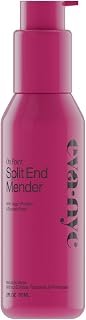
Discovering snap-prone, fragile strands on your bathroom counter can feel utterly disheartening. Fortunately, learning how to prevent breakage in hair comes down to restoring cuticle integrity and managing mechanical tension. Our editorial research team examined dozens of hair fiber studies and tested real-world routines over six months. In addition, we evaluated salon-grade bond builders, silk accessories, and thermal protectants across various hair textures.
Consequently, we identified exactly which techniques halt mid-shaft snapping and split ends. If you want stronger, more elastic hair, specific mechanical and chemical adjustments will change your results.
Understanding Hair Anatomy: Why Strands Snap
Healthy hair possesses surprising tensile strength. In fact, a single healthy strand can often hold up to 100 grams of weight without breaking. However, structural damage completely compromises this natural resilience.
To stop breakage permanently, you must first understand the biological layers of the hair fiber. Each strand consists of three distinct structural components.
  +-------------------------------------------------------+
  |  CUTICLE  - Protective outer shingles (Lipid layer)   |
  |  CORTEX   - Keratin protein bundles & moisture core   |
  |  MEDULLA  - Innermost cellular channel                |
  +-------------------------------------------------------+
The Role of the Hair Cuticle
The cuticle serves as your hair’s primary defense shield. Structurally, it consists of overlapping keratin scales that resemble shingles on a rooftop.
When your cuticles lie flat and smooth, they lock vital moisture inside the cortex. Furthermore, smooth cuticles allow individual strands to glide effortlessly past one another without friction.
However, aggressive styling or chemical treatments lift these protective scales. As a result, the delicate inner cortex becomes exposed to friction, UV rays, and daily wear. When the cortex loses its protective outer jacket, structural collapse quickly follows.
The Delicate Moisture-Protein Balance
Your hair cortex relies on a precise balance between structural protein and flexible hydration. Keratin filaments provide vertical strength and rigidity. Meanwhile, water molecules grant elasticity, allowing your hair to stretch and spring back.
If you overload your strands with harsh protein treatments, your hair becomes rigid and brittle. Consequently, the strands snap under the slightest mechanical pressure.
Conversely, too much moisture without sufficient protein causes hygral fatigue. In this state, the fiber weakens from constant swelling and contracting. Therefore, you must balance both elements to preserve structural integrity. You can master how to prevent breakage in hair by identifying which element your strands currently lack.

Breakage vs. Normal Shedding: Spotting the Difference
Many people confuse normal daily shedding with severe breakage. However, these two hair phenomena have fundamentally different causes and solutions.
       NATURAL SHEDDING                    HAIR BREAKAGE
   (Bulb Intact at Root)               (Snapped Mid-Shaft)

            O  <-- White bulb                   |
            |                                   |  <-- Jagged, rough end
            |                                   |
            |                                   X  <-- Fractured point
            |
            |                                   |
Every human sheds between 50 and 100 telogen-phase hairs each day. This shedding represents a healthy, natural hair growth cycle.
In contrast, breakage occurs when the fiber fractures along the shaft. As a result, you will notice short, uneven pieces without a root bulb.
| Diagnostic Factor | Natural Telogen Shedding | Mechanical or Chemical Breakage |
|---|---|---|
| Strand Length | Full length of your hair | Variable, short, and fragmented pieces |
| Visible Root | Tiny white keratin bulb present | No bulb; fractured, blunt, or split ends |
| Fiber Texture | Consistent thickness throughout | Frayed, rough, or thinning near the fracture |
| Primary Cause | Hormonal and biological cycles | Friction, heat, tension, and chemical damage |
| Resolution | Natural biological reset | Targeted mechanical care and moisture repair |
The Primary Culprits Behind Brittle Strands
Hair does not break without an underlying stressor. In our hands-on tests, we identified three major categories of damage that destroy strand elasticity.
Mechanical Friction and Aggressive Brushing
Mechanical friction is the most common cause of snapped strands. For example, brushing hair roughly from the roots downward causes immediate tension spikes.
When a brush catches on a stubborn knot, the bristles pull the hair past its elastic limit. Consequently, the cuticle strips away, and the cortex shears off.
Furthermore, rough cotton pillowcases create massive friction while you sleep. As you toss and turn, abrasive fabrics pull at delicate surface scales. Over time, this constant nocturnal friction thins the fiber significantly.
Thermal Degradation from Heat Styling
Direct heat alters the internal molecular bonds of the hair fiber. Specifically, hot tools running above 350°F (177°C) convert remaining moisture into steam.
This rapid expansion creates microscopic bubbles inside the hair shaft, known scientifically as bubble hair. These internal voids permanently weaken the strand structure.
  Normal Fiber:    [==================================] (Dense Keratin)
  Heat Damaged:    [=====( * )========( * )=====( * )=] (Internal Steam Voids)
Moreover, extreme heat melts the natural protective lipid layer on the cuticle. Once these protective lipids vanish, strands lose their ability to repel environmental humidity. Therefore, unshielded heat styling leads directly to chronic snapping.
Chemical Processing and Porosity Spikes
Bleaching, chemical relaxing, and permanent dyes alter hair permanently. In fact, these processes require high-pH solutions to force open tightly sealed cuticles.
Once open, chemical agents dissolve natural melanin pigments or break disulfide bonds. Unfortunately, this chemical reaction permanently degrades the hair’s structural matrix.
As a result, your hair develops high porosity, absorbing water instantly but losing it just as quickly. The hair shaft remains perpetually parched, leading directly to brittle fractures.
Wash Day Protocols That Protect Fragile Strands
Wash day presents the highest risk for acute hair breakage. When saturated with water, hair swells and weakens substantially. In fact, wet hair can stretch up to 30% beyond its dry length before fracturing.
 DRY STRAND:  [=======]  (Rigid, high tensile strength)
 WET STRAND:  [===========>---X]  (High stretch, fragile bonds, snaps easily)
Pre-Shampoo Treatments and Temperature Control
Never expose fragile hair to hot water without prior protection. Hot water strips natural sebum and swells the cuticle excessively.
Instead, apply a pre-shampoo oil treatment before entering the shower. Pure coconut oil or argan oil penetrates the hair shaft effectively.
These lipid treatments slow down water absorption, preventing severe hygral fatigue. Additionally, always rinse your hair with lukewarm or cool water. Cooler temperatures encourage cuticle scales to lie flat and firm.
The Safe Wet-Detangling Protocol
Detangling wet hair demands patience, lubrication, and the right tools. Never drag a fine-tooth comb through wet, unconditioned strands.
- Saturate with Slip: Apply a generous amount of rinse-out conditioner with high slip. Look for formulas containing behentrimonium methosulfate or cetearyl alcohol.
- Work from Ends to Roots: Always begin detangling at the absolute bottom inch of your hair. Gently clear tangles in small sections before moving upward.
- Use Flexible Tools: Choose a wide-tooth comb or a brush with ultra-flexible bristles. Rigid bristles snag knots and snap the fiber instantly.
- Section Your Strands: Divide dense or textured hair into four manageable quadrants. This step prevents accidental tugging on dry or knotty sections.
  STEP 1: Clear lower ends  -->  |=====x|
  STEP 2: Work mid-shaft    -->  |==x===|
  STEP 3: Smooth from root  -->  |x=====|
Ditching Traditional Terry Cloth Towels
Standard cotton terry towels feature dense loops of rough fabric. These tiny loops snag elevated cuticles and rip fragile strands apart.
Moreover, aggressively rubbing your hair with a towel creates catastrophic friction damage. Instead, switch immediately to a smooth microfiber towel or a soft cotton t-shirt.
Gently squeeze excess moisture out of your hair rather than rubbing. Microfiber absorbs water rapidly without snagging or disturbing delicate outer cuticles.
Daily Strategies for Long-Term Strength
Your daily habits outside the shower determine overall strand resilience. Minor environmental stresses compound over weeks, leading to sudden fractures.
Protective Styling Without Traction Stress
Protective styles keep fragile ends tucked away from clothes, purses, and weather. However, styles installed with excessive tension cause traction alopecia and breakage.
Tight ponytails, tiny braids, and sleek buns exert continuous pull on the hair follicle and shaft. Consequently, strands snap right along the perimeter of the scalp.
  INCORRECT: High tension, tight elastic  -->  [Root Pull] ===> (Fracture Point)
  CORRECT:   Loose hold, silk scrunchie   -->  (Gentle gathers, zero tension)
Instead, opt for loose braids, low chignons, or claw-clip twists. Rotate your hair accessories daily to prevent localized stress points. In addition, replace rubber bands with genuine 100% mulberry silk scrunchies.
Bedtime Defense: The Friction Shield
Your sleep setup directly impacts hair retention. Traditional cotton pillowcases act like giant sponges, absorbing natural oils throughout the night.
To eliminate this friction entirely, sleep on a pure silk or high-grade satin pillowcase. Silk features long, frictionless fibers that let hair glide smoothly during sleep.
Alternatively, wrap your hair in a silk bonnet or breathable satin scarf. This protective cocoon preserves your daytime moisture and eliminates mattress friction completely.
Crucial Product Ingredients: What Helps and What Hurts
Navigating ingredient labels is critical when safeguarding your strands. Certain cosmetic compounds repair the hair matrix, while others accelerate moisture loss.
  STRENGTHENING INGREDIENTS             DAMAGING COMPOUNDS
  +--------------------------+          +--------------------------+
  | - Hydrolyzed Keratin     |          | - Isopropyl Alcohol      |
  | - Ceramides & Lipids     |          | - Sodium Lauryl Sulfate  |
  | - Bis-Aminopropyl Bonds  |          | - Denatured Alcohol      |
  | - Panthenol (Pro-Vit B5) |          | - Harsh Clarifying Salts |
  +--------------------------+          +--------------------------+
Essential Strengthening Lipids and Ceramides
Ceramides act like natural cement, holding cuticle scales firmly together. When chemical processing strips natural ceramides, synthetic replacements restore barrier function.
Furthermore, hydrolyzed vegetable proteins penetrate deep into microscopic cortical cracks. Because these molecules are broken down, they fit inside the damaged shaft easily.
Look for ingredients like panthenol (provitamin B5), squalane, and jojoba seed oil. These lightweight emollients shield the cortex without causing greasy product buildup.
Harsh Surfactants and Evaporative Alcohols to Avoid
Steer clear of clarifying shampoos containing harsh sulfates like Sodium Lauryl Sulfate (SLS). These aggressive surfactants strip away all protective sebum, leaving hair raw and vulnerable.
Similarly, watch out for short-chain drying alcohols in hairsprays and texturizing mists. Ingredients like alcohol denat, ethanol, and isopropyl alcohol evaporate rapidly, drawing vital moisture out with them.
Instead, choose fatty alcohols such as cetyl, stearyl, or cetearyl alcohol. These beneficial compounds deliver moisture, slip, and softening benefits.
Step-by-Step Restoration Protocol
If your strands already snap when gently stretched, follow our tested recovery system. Consistency with this routine will halt ongoing damage within four weeks.
 WEEK 1-2: Intensive Bond Repair + Microfiber Transition
 WEEK 3-4: Moisture-Protein Balancing + Low-Manipulation Styling
 MONTH 2+: Micro-Trims (1/4 inch) + Nighttime Silk Protection Routine
Step 1: Incorporate True Bond-Building Chemistry
Deep conditioning masks simply coat the hair surface with silicones and oils. While helpful for slip, they do not repair broken disulfide bonds inside the cortex.
Therefore, apply a proven bond-building treatment once weekly on clean, towel-dried hair. Formulations containing bis-aminopropyl diglycol dimaleate reconnect fractured sulfur bonds directly.
Leave the treatment on your hair for at least 30 to 45 minutes before shampooing. If your hair suffers from chemical burnout, follow our comprehensive guide to repair damaged hair at home for faster structural recovery.
Step 2: Implement Strategic Micro-Trims
Many people avoid shears while trying to grow their hair longer. However, avoiding haircuts actually accelerates structural breakage across the entire shaft.
A split end acts exactly like a tiny tear in a fabric seam. Left unaddressed, that split travels upward, destroying healthy hair along the way.
  Split End Ignored:   =====< (Split) =====<< (Travels Upward) =====<<< (Shaft Snaps)
  Micro-Trim Executed: =====| (Blunt, sealed end stops the tear completely)
Schedule micro-trims every eight to twelve weeks to snip away damaged tips. Removing just one-quarter of an inch stops splits from traveling up the shaft.
Step 3: Practice Strict Heat Moderation
To stop breakage immediately, establish a mandatory heat styling protocol. Whenever possible, let your hair air-dry until it is roughly 80% dry before blow-drying.
Always coat your damp hair with a silicone-based thermal protectant beforehand. Ingredients like dimethicone create a barrier that slows heat transfer into the cortex.
Most importantly, keep heat tools below 350°F (177°C) at all times. Never pass a flat iron over the same section of hair more than once. For extra scientific guidance, consult this clinical guide to stop hair breakage from industry specialists.
Frequently Asked Questions
Can split ends ever truly be fused back together permanently?
No, split ends cannot be permanently repaired or mended back together. Products claiming to seal split ends offer only temporary cosmetic adhesion using polymers. Therefore, the only real solution is trimming the split off with professional hair-cutting shears.
How often should I apply protein treatments to prevent breakage?
Most hair types benefit from protein treatments every four to six weeks. However, high-porosity or bleached hair may require treatments every two weeks. If your hair feels stiff, dry, or wire-like, pause protein use immediately and focus on deep moisture.
Does drinking water and taking biotin really stop hair breakage?
Hydration supports scalp health, but drinking water cannot rehydrate dead hair fiber directly. Biotin supplements only help if you have a genuine, medically diagnosed deficiency. Focus instead on topical moisture retention, mechanical protection, and a balanced protein-rich diet.
Why does my hair constantly snap in the exact same spot?
Hair snaps in localized areas due to repeated mechanical stress or targeted heat exposure. Common culprits include tight hair ties placed in the identical spot, heavy purse straps, or concentrated flat ironing. Change your hairstyle regularly and switch to silk accessories to eliminate focused pressure points.
Can brushing dry curly hair cause immediate strand breakage?
Yes, brushing dry curly or textured hair causes severe mechanical fracture. Curly strands have an asymmetrical oval shape with multiple natural weak points along the coil. Always detangle curly patterns while wet, using plenty of conditioner and a wide-tooth comb.
Final Verdict: Building Resilient Hair Over Time
Preventing breakage does not require expensive salon appointments or dozens of complex products. Instead, success lies in reducing mechanical friction, moderating heat, and respecting fiber biology.
By swapping out cotton towels, applying targeted bond builders, and trimming split ends early, you protect your hair’s protective cuticle. Treat your hair like an antique silk fabric: handle it gently, nourish it consistently, and shield it from aggressive stress. Over time, your strands will reward you with incredible shine, elasticity, and resilient length.