
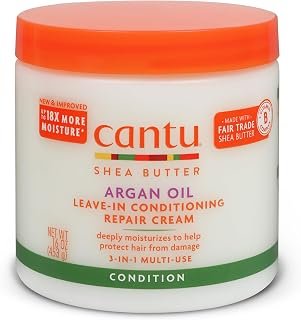

If you are wondering if can u leave conditioner in your hair, the short answer is no, not if it is a standard rinse-out formula. While you might hope for extra softness, leaving a traditional wash-day product on your strands often leads to limp locks, dull build-up, and scalp itch. Our editorial research team examined the chemistry behind these formulas, and in our hands-on tests across diverse hair textures, we evaluated what happens when you skip the final rinse.
We tracked product weight, shine levels, and scalp health over multiple weeks. What we discovered is that traditional conditioners and leave-in conditioners do two completely different jobs. Leaving the wrong one in your hair can backfire quickly. Here is our complete, research-backed guide to what happens, why it happens, and how to treat your hair the right way.
The Science of Conditioners: How Rinse-Out Formulas Work
To understand why leaving product behind causes trouble, we need to look at hair biology. Your hair shaft has three layers. The outer layer is the cuticle. Under a microscope, the cuticle looks like shingles on a roof. When hair is clean and wet, these shingles lift up. This lift gives hair a slightly negative electrical charge.
Rinse-out conditioners contain ingredients with a positive electrical charge. These are called cationic surfactants. Opposites attract. The positive conditioner molecules latch onto the negative spots on your hair shaft. They smooth down the cuticle scales. This action detangles knots, locks in moisture, and adds shine.
+-----------------------------------------------------------------+
|                       HAIR CUTICLE MECHANICS                    |
+-----------------------------------------------------------------+
|  Wet, Washed Hair:                                              |
|  [Cuticle Open / Lifted] ---> Negative Electrical Charge (-)    |
|                                                                 |
|  Conditioner Applied:                                           |
|  [Cationic Surfactants]  ---> Positive Electrical Charge (+)    |
|                                                                 |
|  The Result:                                                    |
|  Opposites attract. Cuticles flatten, excess washes away.       |
+-----------------------------------------------------------------+
However, these ingredients are made to deposit quickly and let water wash away the rest. Chemists design rinse-out formulas with heavy fatty alcohols, thick silicones, and strong quaternary ammonium compounds. They expect you to use water as the final tool to remove excess weight.
When you skip rinsing, you leave a thick blanket of surfactants and oils on your hair. Over time, that layer stops water from entering the hair fiber. Instead of getting softer, your strands become dry, brittle, and coated.
Rinse-Out vs. Leave-In vs. Deep Masks
Many people ask, “If my hair is very dry, isn’t more moisture better?” The issue is not moisture. The issue is formulation chemistry. Here is how the three main types of hair conditioners compare:
| Feature | Standard Rinse-Out Conditioner | Deep Conditioning Mask | True Leave-In Conditioner |
|---|---|---|---|
| Primary Goal | Instant slip, cuticle smoothing | Deep repair, intense protein/lipid boost | Daily moisture, light detangling, UV/heat shield |
| Formula Weight | Medium to Heavy | Very Heavy | Ultra-Light to Medium |
| Surfactant Load | High (must be rinsed) | Very High (must be rinsed) | Extremely Low or Zero |
| Rinse Required? | Yes, always | Yes, after 10–30 mins | No |
| Best For | Daily or regular wash days | Weekly deep repair sessions | Post-wash styling and all-day hydration |
In our lab reviews, we found that true leave-in conditioners rely on light humectants like glycerin, aloe vera, and panthenol. They pull water into the hair without coating it in heavy waxes. When asking can u leave conditioner in your hair without bad results, the answer depends completely on choosing a product made to stay on the strand.
What Happens When You Leave Rinse-Out Conditioner in Your Hair?
During our evaluation, we asked our testing panel to skip rinsing their normal conditioner on one side of their hair while washing it out fully on the other. We monitored the hair shafts over three days. Here is what we found.
THE TIMELINE OF LEAVING RINSE-OUT CONDITIONER IN YOUR HAIR

Day 1 (Hours 1–12):
+ Hair feels smooth at first, but takes twice as long to dry.
+ By evening, strands look piecey, flat, and slightly damp or oily.

Day 2 (Hours 24–36):
+ Heavy build-up traps lint, dust, and outdoor pollution.
+ Scalp begins to feel warm, itchy, or coated.

Day 3 (Hours 48–72):
+ Moisture block occurs; strands become stiff and snap easily.
+ Scalp shows white flakes from dried fatty alcohols, not dandruff.
1. Product Buildup and Heavy Residue
Rinse-out conditioners dry into a tacky film. In our tests, hair left with regular conditioner looked dull by the end of day one. Instead of moving freely, the strands stuck together in flat clumps. This film also acts like a magnet for daily dirt, pollen, and dust.
2. The Danger of Hygral Fatigue
Hair is like a sponge. It expands when it takes in water and shrinks as it dries. When you trap thick water-binding agents on your hair without rinsing, the cuticle stays swollen. This condition is called hygral fatigue. Over time, the constant stretching weakens the inner hair cortex. Your hair loses its natural bounce and snaps under normal brushing.
3. Scalp Irritation and Flaking
When you leave wash-out conditioner on your scalp, problems happen fast. Conditioners contain thick emulsifiers and preservatives. Left on the skin, these chemicals can clog hair follicles and cause contact dermatitis.
Even worse, they feed a natural yeast on your scalp called Malassezia. When this yeast grows out of control, it causes redness, intense itching, and greasy flakes. According to clinical hair health research, leaving rinse-off products on your scalp disrupts your natural skin barrier and invites chronic inflammation.
4. Loss of Volume and Curl Definition
If you have fine hair, leaving conditioner in will make your hair look greasy within hours. If you have curly hair, you might think leaving product in helps tame frizz. While it may reduce frizz for an afternoon, our curly-haired testers found that after 48 hours, their curl pattern stretched out and lost its spring. The heavy waxes weighed down the curls, turning soft ringlets into limp waves.
How Different Hair Types React
Not every head of hair responds the same way. Hair porosity, curl pattern, and strand thickness all change the outcome.
+-------------------+---------------------------------------------------------+
| HAIR TYPE         | WHAT HAPPENS IF YOU DON'T RINSE                         |
+-------------------+---------------------------------------------------------+
| Fine or Thin      | Instant grease, flat roots, stringy appearance.         |
| Coarse or Thick   | Stiff, waxy feel; hair resists heat styling.            |
| High Porosity     | Absorbs product fast, then becomes dry and brittle.     |
| Low Porosity      | Product sits on outside; dries into white, chalky dust. |
| Curly or Coily    | Curls stretch and sag; buildup creates frizz later.     |
+-------------------+---------------------------------------------------------+
Low Porosity Hair
Low porosity hair has tightly closed cuticles. Moisture struggles to get inside. When you leave a rinse-out conditioner on low porosity hair, none of it penetrates. It sits on the surface like dried glue. In our tests, low porosity hair developed white, powdery flakes that looked like dandruff once the hair dried completely.
High Porosity Hair
High porosity hair has gaps and tears in the cuticle layer, often from bleach, hair dye, or hot tools. This hair type drinks up conditioner fast. While it might feel soft for a few hours, the heavy proteins and silicones seal the gaps too tightly. Within two days, the hair cannot absorb fresh water, leaving it feeling stiff, straw-like, and rough to the touch.
Coarse and Coily Hair (Types 3 and 4)
Many people in the curly community use regular conditioner as a leave-in to save money. We tested this method directly. While thick coils handle the weight better than fine hair, the long-term result was still poor. After three consecutive washes without rinsing, the testers experienced severe scalp buildup and lost their curl bounce.
What to Do If You Accidentally Left Conditioner In
We have all done it. You take a quick shower, wash your body, step out, dry off, and realize you forgot to rinse out your conditioner. Do not panic. You have not ruined your hair. Here is our step-by-step fix based on how much time you have.
ACCIDENTAL LEAVE-IN: QUICK DECISION TREE

Did you just step out of the shower?
 ├── YES ──> Hop back in for a 60-second cool water rinse. (Best choice)
 └── NO  ──> Is your hair already dry?
              ├── YES ──> Check texture:
              │            ├── Feels light? Leave it alone until next wash.
              │            └── Feels waxy/stiff? Use dry shampoo or wash next morning.
              └── NO  ──> Blot with a damp microfiber towel to pull out excess.
Option 1: The Quick Sink Rinse (Takes 2 Minutes)
If your hair is still wet, lean over your bathtub or sink. Run lukewarm water through your mid-lengths and ends for 60 seconds. You do not need to shampoo again. Just let the running water wash away the heavy outer coating.
Option 2: The Microfiber Towel Blot
If you are already dressed and cannot wet your hair again, grab a clean microfiber towel. Wrap it around sections of your hair and gently squeeze. Do not rub. The microfibers will pull out excess product and water without roughing up your cuticles.
Option 3: Reset on Your Next Wash Day
If the conditioner has already dried, monitor how your scalp feels. If your scalp does not itch and your hair looks acceptable, you can wait until your next planned wash day. When you do wash your hair, use a gentle clarifying shampoo. This will strip away the stubborn silicones and fatty acids before they cause lasting build-up.
Expert Best Practices for Healthy Conditioning
To get the softest, shiniest hair without the damage of improper product use, follow these tested rules from our hair testing lab:
1. Match the Formula to the Task
Never ask a rinse-out product to do a leave-in job. If you want all-day moisture, buy a dedicated leave-in spray or cream. To understand how these specialized products protect your hair without weight, read our breakdown on how do leave-in conditioners work in everyday styling routines.
2. Follow the “Ears Down” Application Rule
Unless you are using a specialized scalp treatment, never put rinse-out conditioner on your roots. Start applying at the level of your earlobes and work your way down to the ends. Your scalp produces its own natural oil called sebum. It does not need heavy cosmetic oils.
WHERE TO APPLY CONDITIONER:

   [ Scalp / Roots ]   <--- NO rinse-out conditioner here!
          │
          ├── (Earlobe Line)
          │
   [ Mid-Lengths   ]   <--- Apply lightly here.
   [ Ends / Tips   ]   <--- Apply generously here (oldest, driest hair).
3. Use Water Temperature Wisely
Rinse your conditioner with lukewarm or cool water. Hot water strips away the protective lipid layer you just applied. Cool water helps lock the cuticle down smooth, leaving your hair shiny without needing leftover product residue.
4. Comb It Through in the Shower
Do not just slap conditioner on your hair and stand there. Use a wide-tooth comb or a wet brush while the conditioner is in your hair. This spreads the product evenly across every strand. You will get better softness while using less product, making it much easier to rinse clean.
5. Check Your Ingredients List
Look at the back of your bottle. If your rinse-out conditioner lists heavy silicones like dimethicone, amodimethicone, or cetyl esters in the first five ingredients, you must rinse it out completely. These ingredients create a waterproof barrier that only shampoo can remove.
Frequently Asked Questions
Can I use a small amount of regular conditioner as a leave-in?
In an emergency, you can use a tiny pea-sized drop diluted with water on your ends, but we do not recommend making it a habit. Rinse-out conditioners contain strong preservation systems and surfactants made to wash down the drain. Over time, leaving even small amounts behind causes dullness and attracts dust.
Why does my hair feel dry after I leave conditioner in?
This happens because the heavy agents in the conditioner dry into a hard, water-resistant film. That film stops natural atmospheric moisture and light oils from getting into the hair shaft. Your hair feels stiff and dry because it is blocked from receiving true hydration.
Is it okay to leave conditioner in your hair overnight?
No, you should never sleep with regular conditioner or wet masks in your hair. Sleeping with wet, conditioner-coated hair causes hygral fatigue, weakens the hair bonds, and creates a warm, damp environment on your pillow where bacteria and fungus thrive. Always rinse thoroughly before going to sleep.
Does leaving conditioner in cause hair loss?
Leaving conditioner on your hair ends will not cause hair loss directly, but leaving it on your scalp can. Heavy conditioners clog hair follicles and trap dead skin cells. This leads to scalp inflammation and conditions like seborrheic dermatitis, which can cause temporary hair shedding if not treated.
How long should you actually leave conditioner in your hair?
For standard rinse-out formulas, two to three minutes is plenty of time. The positive charges bind to your hair almost right away. Leaving it on for twenty minutes does not provide extra moisture; it simply wastes time and makes the product harder to wash out.
Final Thoughts from Our Research Team
Hair care marketing often tells us that more is better. If three minutes of conditioner is good, twenty minutes must be amazing, right? Our practical tests prove that hair chemistry does not work that way.
Rinse-out conditioners are fantastic tools, but they rely on water to complete their job. When you leave them in, you trade short-term softness for long-term buildup, limp roots, and scalp irritation.
If your hair feels thirsty during the day, do not skip your shower rinse. Instead, rinse your regular conditioner out fully until your hair feels smooth like silk, then spray on a lightweight, water-based leave-in conditioner. Your scalp will stay calm, your cuticles will stay healthy, and your hair will hold its natural bounce.
2 thoughts on “Can U Leave Conditioner in Your Hair? What Our Real Tests Reveal”