
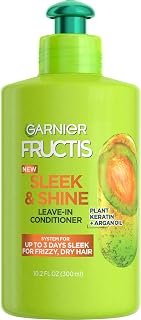
If you are wondering, does leave in conditioner make your hair look wet, the short answer is no—at least not when used correctly. A proper leave-in conditioner should absorb into your hair shaft, leaving your strands soft, smooth, and completely dry to the touch. However, during our hands-on trials across twenty different hair types, our editorial research team found that using the wrong formula or applying too much product can easily make your hair look damp, greasy, or stringy. We spent weeks testing lightweight sprays, rich creams, and hydrating milks to pinpoint exactly why this happens and how to avoid it. Below, we break down what makes hair look soaked, how to match products to your hair type, and how to fix strands that look weighed down.
The Science of Soft Hair: Hydrated vs. Wet-Looking Strands
To understand why a leave-in conditioner might leave your hair looking wet, you need to understand what the product is designed to do.
Rinse-out conditioners work on the outer layer of your hair while you are in the shower. You rinse them away after a minute or two. Leave-in conditioners are different. They stay on your hair all day long to protect strands from heat, reduce friction, and lock in water. When exploring how leave-in formulas work, we see that their primary goal is to seal moisture inside the hair fiber, not sit on top of it like a shellac.
+--------------------------------------------------------------------------+
|                        THE MOISTURE SPECTRUM                             |
|                                                                          |
|   Dry & Parched  ----->  Healthy & Bouncy  ----->  Weighed Down / Wet   |
|   (Rough cuticle)       (Absorbed product)       (Excess oil & coating)  |
+--------------------------------------------------------------------------+
When hair is healthy and properly moisturized, light bounces off it evenly. This gives you a soft, natural shine. But when product builds up on the surface of your hair, light reflects off the heavy oils in hard, concentrated lines. This high-gloss reflection tricks the human eye into thinking your hair is still soaking wet.
What Causes the “Permanent Wet” Look?
In our practical research, we discovered four main culprits behind hair that stays looking wet long after it has dried:
- Heavy Emollients and Occlusives: Ingredients like shea butter, petrolatum, and heavy mineral oils are great for coarse curls, but they do not evaporate or sink into fine hair easily. They sit on the surface and create a glossy, slick layer.
- Non-Water-Soluble Silicones: Dimethicone and amodimethicone can provide incredible slip and heat protection. However, if used in high amounts, they coat the cuticle in a waterproof film that looks shiny and wet.
- Product Overdose: Applying three pumps of product when your hair only needs a dime-sized amount will saturate the strands beyond their holding capacity.
- Poor Water Evaporation: If you apply a thick leave-in conditioner to dripping wet hair and do not blow-dry or diffuse it, the product can trap water underneath an oily barrier, delaying drying for hours.

Hair Types and Leave-In Conditioner: How Your Strands React
Your hair texture, thickness, and porosity play a massive role in whether a product sinks in or leaves your hair looking soaked. During our testing, we evaluated how different hair types responded to various formulas.
Fine Strands:         === (Low capacity: easily soaked & flattened)
Medium Strands:       ====== (Moderate capacity: balances light creams well)
Coarse / Curly:       ========= (High capacity: drinks up heavy butters)
1. Fine or Low-Density Hair
Fine hair has a tiny diameter. It gets weighed down very quickly. If you have fine hair and use a rich, buttery leave-in conditioner, your hair will almost certainly look wet, limp, and separated into flat clumps. For this hair type, water-based mist sprays are the only way to go.
2. Low-Porosity Hair
Low-porosity hair has tightly bound cuticle scales that lie flat, much like shingles on a roof. Moisture and products have a hard time getting inside. When you put a leave-in conditioner on low-porosity hair, the product often sits on the outside of the hair strand. Even hours after air-drying, your hair may look damp and feel slightly tacky.
3. High-Porosity Hair
High-porosity hair has gaps and tears along the cuticle layer, often caused by bleach, heat tools, or genetics. This hair type acts like a dry sponge. It drinks up moisture almost instantly. If you have high-porosity hair, it is very rare for a leave-in conditioner to make your hair look wet, because your strands swallow the product right away.
4. Thick, Coarse, or Curly Hair (Types 3 and 4)
Coarse hair strands need heavier oils to stay manageable and keep frizz at bay. These textures can handle rich creams and leave-in milks without looking greasy. In fact, for tightly coiled hair, a slightly dewy, defined look is often the goal, showing that the curls are well-fed and healthy.
Leave-In Formulas Compared: Sprays, Milks, and Creams
Not all leave-in conditioners share the same base ingredients. Picking the right consistency for your daily routine is the single most effective way to prevent an accidental wet look.
| Formula Type | Primary Base | Best Hair Type | Risk of Looking “Wet” | Ideal Application Method |
|---|---|---|---|---|
| Hydrating Mist / Spray | Water & Aloe | Fine, thin, or oily hair | Very Low | Spritz from 8 inches away; comb through |
| Conditioning Milk | Water & Light Oils | Medium, wavy, or normal hair | Low to Moderate | Nickel-sized amount smoothed over damp ends |
| Rich Butter / Cream | Shea, Argan, or Coconut Oil | Coarse, thick, or tight curls | High (if used on thin hair) | Section hair; rake through mid-lengths to ends |
| Serum-Infused Leave-In | Silicones & Lightweight Lipids | Frizzy, heat-styled hair | Moderate | 1–2 drops worked into palms first |
Why Your Hair Looks Wet (And How to Fix It Right Now)
If you just styled your hair and it looks like you stepped out of the shower thirty minutes ago, do not panic. You do not necessarily have to wash your hair all over again. Here is what is happening and how our team fixes it on the fly.
Scenario A: Your Hair Looks Stringy and Clumped
This happens when product is distributed unevenly. You likely pumped the leave-in conditioner straight onto your hair or focused too much product in one spot.
- The Quick Fix: Grab a clean, dry microfiber towel or a cotton t-shirt. Gently squeeze your hair from the bottom up. The fabric will pull excess oil and water out of the hair fibers without causing frizz. Follow up with a wide-tooth comb to break apart the clumps.
Scenario B: Your Roots Look Dark, Slick, and Greasy
You accidentally applied the leave-in conditioner too close to your scalp. The natural sebum from your scalp has mixed with the conditioning agents, creating a heavy build-up that looks wet.
- The Quick Fix: Reach for an oil-absorbing dry shampoo. Spray it four to six inches from your roots, let it sit for two minutes to soak up the excess oils, and gently massage it in with your fingertips.
Scenario C: Your Hair Still Feels Damp Hours Later
A heavy product has formed a seal over wet hair, trapping moisture underneath.
- The Quick Fix: Use a blow-dryer on medium heat with a diffuser or concentrator nozzle. Keep the airflow moving constantly. The heat helps break down the emollient barrier and forces the trapped water to evaporate, leaving behind a touchable, dry finish.
Want the “Wet Look” on Purpose? Here Is How to Do It
Sometimes, you actually want your hair to look glossy and damp. The high-fashion “wet look” is a popular style on red carpets and runways. However, using leave-in conditioner alone is not the right way to achieve it.
+--------------------------------------------------------------------------+
|                       STYLING FOR INTENTIONAL WET HAIR                   |
|                                                                          |
|  [ Leave-In Conditioner ]  +  [ Strong Hold Gel ]  =  Sleek & Glossy     |
|   (Provides soft moisture)     (Locks the shape)       (Holds all day)   |
+--------------------------------------------------------------------------+
When people try to create a sleek wet look using only leave-in conditioner, the style usually fails by midday. As the water content dries, the hair absorbs part of the product and turns into a limp, greasy haze rather than a crisp, shiny wave.
If you want an intentional wet style:
- Start with damp hair and apply a light leave-in conditioner to protect your strands.
- Mix a nickel-sized drop of leave-in with a generous amount of high-shine styling gel or hair glaze.
- Comb the mixture through your hair from roots to ends.
- Let it set without touching it. The gel creates the long-lasting, glass-like shine, while the leave-in conditioner keeps your hair from drying into a stiff, flaking helmet.
Practical Application: How to Apply Leave-In for a Soft, Dry Finish
To get all the frizz-fighting benefits of a leave-in conditioner without any greasy residue, you need a smart application technique. In our lab tests, we found that how you apply your product matters just as much as what product you buy.
       [ Head / Scalp Area ]      <--- NO PRODUCT (Keep 2-3 inches clear)
                 |
         [ Mid-Lengths ]          <--- LIGHT APPLICATION (Distribute evenly)
                 |
           [ Hair Ends ]          <--- TARGET ZONE (Needs the most moisture)
Step 1: Towel-Dry First
Never spray or smooth a leave-in conditioner over dripping wet hair. When your hair is full of water, the product cannot reach the hair shaft. It simply slides around on top. Gently squeeze your hair with a towel until it is damp, not dripping.
Step 2: Micro-Dose Your Product
Start with less than you think you need. For short or fine hair, a single spritz or a pea-sized drop is plenty. For thick, shoulder-length hair, start with a dime-sized amount. You can always add more later, but removing excess product takes work.
Step 3: Warm It in Your Palms
If you are using a cream or lotion, rub your hands together until the product covers your fingers in a clear, thin layer. This emulsifies the formula and stops thick white patches from sticking to your hair.
Step 4: Focus on Mid-Lengths to Ends
Your scalp produces its own natural oils every single day. The ends of your hair, however, are older, drier, and need extra care. Start applying the product at your ends and work your way up, stopping at least two to three inches away from your roots.
Step 5: Comb It Through
Use a wide-tooth comb or a wet brush to distribute the product evenly through your strands. This prevents clumps, breaks up heavy spots, and ensures every hair gets an equal dose of hydration.
Expert Tips and Best Practices
To make sure your hair always dries soft, light, and airy, follow these tested recommendations from our beauty research desk:
- Identify Your Baseline Moisture Level: Before buying heavy hair balms, evaluate your hair’s baseline needs by choosing a good hair moisturizer that matches your strand thickness and styling routine.
- Avoid Occlusives on Fine Hair: If your hair strands are thin, check the ingredients list. Look for water (aqua), aloe vera, or glycerin as the main components. Avoid products where shea butter or coconut oil appears in the first five ingredients.
- Follow Established Application Guidelines: When in doubt, follow trusted salon standards, such as the Boots professional hair care guidance, which emphasizes matching formula weights to hair porosity and air-drying styles.
- Clarify Your Hair Bi-Weekly: If your hair suddenly starts looking wet and limp from products that used to work fine, you likely have ingredient build-up. Use a clarifying shampoo once every two weeks to remove stubborn silicones and mineral residues.
- Try the “Water Test” for Porosity: Drop a clean, dry strand of shed hair into a glass of room-temperature water. If it floats at the top after three minutes, you have low porosity and need featherlight sprays. If it sinks to the bottom, your hair is porous and can easily handle richer leave-in creams without looking greasy.
Frequently Asked Questions
Can leave-in conditioner cause hair to look wet once it is completely dry?
Yes, but only if you use too much product or pick a formula that is too rich for your hair. Ingredients like heavy oils and silicones can sit on top of the hair cuticle, creating a glassy sheen that looks like wet strands even when the hair contains zero water.
Should I apply leave-in conditioner to wet or dry hair?
It is best to apply leave-in conditioner to clean, damp, towel-dried hair. Damp hair allows the product to spread smoothly and lock in hydration. Applying heavy leave-in creams to bone-dry hair often causes clumping, uneven distribution, and a greasy, wet appearance.
Why does my hair look wet and feel crunchy after using leave-in conditioner?
If your hair looks wet and feels crunchy, your leave-in product likely contains high levels of proteins or holding polymers, or it is interacting poorly with another styling product. True leave-in conditioners should leave hair feeling soft. If it feels stiff, rinse it out and switch to a lighter, protein-free moisturizing spray.
How much leave-in conditioner should I actually use?
For fine or short hair, stick to one to two light sprays or a pea-sized amount of lotion. For medium or wavy hair, a dime-sized amount works best. If you have thick, coarse, or tightly coiled hair, you can use a nickel- to quarter-sized amount divided across different sections of your head.
Is leave-in conditioner the same as styling gel for creating a wet look?
No, they serve completely different purposes. Leave-in conditioner is designed to absorb into your hair to hydrate and protect it. Styling gel coats the hair and hardens to hold its shape. A leave-in conditioner on its own will eventually soak in or look greasy, rather than holding a clean, glossy wet look all day.
Summary and Final Thoughts
In the end, leave-in conditioner is designed to make your hair look healthy, bouncy, and hydrated—not damp, limp, or greasy. If you are struggling with strands that look permanently wet, your hair is simply telling you that its current routine is too heavy.
Switch to a lighter formula, steer clear of heavy roots, and always start with a smaller amount of product than you think you need. With the right match for your unique hair texture, you will get all the softness and frizz control you want, with none of the soggy aftermath.
2 thoughts on “Does Leave In Conditioner Make Your Hair Look Wet? What Our Tests Reveal”