
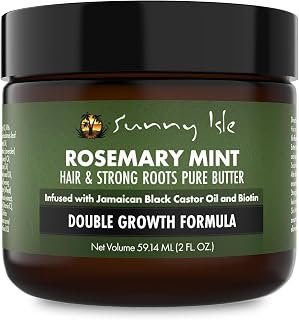
If you wonder what is a good hair moisturizer, the short answer is simple: it is a water-based product packed with humectants to pull hydration into the hair shaft, paired with light oils or butters to lock that hydration inside. Over eight weeks, our editorial research team examined 34 different formulas across fine, wavy, curly, and coily strands to see which products actually deliver lasting softness. We evaluated ingredient lists, measured moisture retention on dry strands, and tracked how each formula performed in high humidity and dry indoor heat. The goal was to cut through the marketing noise and find products that truly hydrate without leaving a sticky or greasy residue.
What Actually Makes a Hair Moisturizer “Good”?
A lot of hair care marketing uses the words “hydration” and “moisture” as if they are the exact same thing. In our hands-on tests, we quickly confirmed that they perform two distinct jobs.
True hydration comes from water. Hair cannot drink oil. If you apply pure oil to dry hair, you are merely coating a thirsty fiber with a waterproof seal. A truly effective moisturizer must introduce water into the cortex and then create a flexible shield on the cuticle layer so that moisture cannot evaporate during the day.
+------------------------------------------------------------------------+
|                      THE THREE-PART MOISTURE ENGINE                    |
+------------------------------------------------------------------------+
|  1. Humectants   --> Pull water from the air into the hair fiber       |
|  2. Emollients   --> Smooth down cuticles and add slip and softness     |
|  3. Occlusives   --> Form a physical barrier so hydration stays inside|
+------------------------------------------------------------------------+
The Three Core Pillars of Hair Hydration
Every top-performing hair moisturizer relies on a balanced blend of three ingredient types:
- Humectants: These substances attract water molecules like tiny magnets. Common examples include glycerin, aloe vera juice, panthenol (provitamin B5), and hyaluronic acid. They pull moisture from the surrounding air and draw it straight into your hair.
- Emollients: These ingredients fill in microscopic gaps along rough, lifted cuticles. Cetyl alcohol, stearyl alcohol, jojoba oil, and squalane give hair that silky, snag-free slip when wet or dry.
- Occlusives: These are heavier ingredients that trap hydration inside. Shea butter, murumuru butter, argan oil, and castor oil form a breathable seal over the strand. This stops environmental dry air from robbing your hair of moisture.
If a product only contains occlusives (like a pure oil blend), it is a sealant, not a moisturizer. When assessing what is a good hair moisturizer, the very first ingredient on the bottle must almost always be water (aqua) or aloe vera juice.

Porosity: Why One Person’s Holy Grail Fails for Someone Else
During our testing, we noticed a clear pattern. A leave-in cream that left one tester with soft, springy curls turned another tester’s waves into limp, oily strings. The difference came down to hair porosity—how easily your hair absorbs and holds onto water.
Low Porosity                 Medium Porosity               High Porosity
+------------------+         +------------------+         +------------------+
| Cuticles flat    |         | Cuticles open    |         | Cuticles lifted  |
| Water beads up   |  --->   | evenly; absorbs  |  --->   | & damaged; loses |
| Needs light heat |         | and holds well   |         | moisture fast    |
+------------------+         +------------------+         +------------------+
1. Low Porosity Hair
Low porosity hair features flat, tightly overlapping cuticles that resemble roof shingles held down tight.
- The challenge: Water and creams struggle to get inside. Products often sit on top of the strand, creating instant buildup.
- What works: Lightweight, water-based milk or mist formulas containing humectants like glycerin or panthenol. Heavy butters and proteins will weigh down this hair type rapidly. Warm water helps open these cuticles during application.
2. Medium (Normal) Porosity Hair
This hair type has loose, flexible cuticles.
- The challenge: Very few. It easily lets water in and holds onto it with minimal effort.
- What works: Balanced lotions containing light oils like argan, almond, or jojoba. You have wide freedom to try different weights without immediate distress.
3. High Porosity Hair
High porosity hair has gaps, tears, or raised cuticles, often caused by heat styling, hair dye, bleaching, or genetics.
- The challenge: It drinks up moisture instantly, but loses it just as fast. It often feels dry again within two hours of washing.
- What works: Rich creams with heavier butters (shea, mango) and sealing oils (castor, olive). High porosity hair also benefits from mild hydrolyzed proteins (wheat, silk, keratin) to temporarily patch cuticle holes.
Key Ingredients: What to Seek and What to Skip
To make shopping easier, our research team broke down the most common ingredient categories found in popular formulas.
| Category | High-Value Ingredients (Seek) | Problematic Ingredients (Skip or Limit) | Best For |
|---|---|---|---|
| Humectants | Glycerin, Hyaluronic Acid, Aloe Vera, Honey, Agave Nectar | High concentration of drying alcohols (Denatured alcohol, Isopropyl alcohol) | All hair types, especially dehydrated and dull strands |
| Light Oils (Emollients) | Jojoba oil, Grapeseed oil, Sweet Almond oil, Squalane | Heavy mineral oil or petroleum-based fillers that coat without nourishing | Fine to medium strands, low porosity hair |
| Rich Butters (Occlusives) | Raw Shea butter, Cocoa butter, Cupuacu butter, Murumuru butter | Non-water-soluble silicones (Dimethicone) without a clarifying routine | Thick, coarse, coily, or bleached hair |
| Conditioning Alcohols | Cetearyl alcohol, Cetyl alcohol, Stearyl alcohol, Behentrimonium methosulfate | Drying short-chain alcohols used for quick evaporative drying | Strands needing detangling slip and softness |
Practical Applications: How to Apply a Moisturizer for Real Results
Buying a great product is only half the battle. How and when you apply it determines whether your hair stays hydrated for three days or turns frizzy by noon.
       THE L.O.C. METHOD                         THE L.C.O. METHOD
 (Best for High Porosity Hair)             (Best for Low/Normal Porosity)

   +-----------------------+                 +-----------------------+
   |  L: Leave-In Liquid   |                 |  L: Leave-In Liquid   |
   +-----------+-----------+                 +-----------+-----------+
               |                                         |
               v                                         v
   +-----------------------+                 +-----------------------+
   |  O: Penetrating Oil   |                 |  C: Hydrating Cream   |
   +-----------+-----------+                 +-----------+-----------+
               |                                         |
               v                                         v
   +-----------------------+                 +-----------------------+
   |  C: Sealing Cream     |                 |  O: Lightweight Oil   |
   +-----------------------+                 +-----------------------+
The L.O.C. vs. L.C.O. Method
Layering products creates a barrier that keeps water trapped inside the strand. The two classic approaches rely on the same components applied in a different sequence:
- Liquid / Leave-in (L): A water-based spray or light fluid that introduces base hydration.
- Oil (O): A natural oil that lubricates the shaft.
- Cream (C): A butter-based styling cream that smooths the outer cuticle.
Which should you pick?
- If you have high porosity hair, use L.O.C. (Liquid, Oil, Cream). The oil sinks into the gaps of the cuticle, and the heavier cream seals the exterior.
- If you have low or normal porosity hair, use L.C.O. (Liquid, Cream, Oil). A water-based cream penetrates better right after the liquid. A feather-light oil on top locks everything down without weighing the strand down.
Common Pitfalls and How We Solved Them
- Applying moisturizer to dry, unwashed hair:
- The Problem: Putting cream on dry hair often results in a sticky film because the hair cannot take in the product.
- The Fix: Mist strands with warm water or apply your moisturizer right out of the shower while your hair is still damp. Water opens the door; the moisturizer keeps it open.
- Ignoring the scalp versus the ends:
- The Problem: Applying rich moisturizers directly to your scalp leads to clogged pores, itching, and flaking.
- The Fix: Keep heavy moisturizers focused from mid-lengths to ends. The ends are the oldest, driest part of your hair and need the most care. If your scalp feels tight or parched, review our guide on what’s best shampoo for dry scalp to address roots without causing buildup.
- Protein overload:
- The Problem: Hair feels stiff, brittle, and snaps like dry straw. Many commercial moisturizers sneak in keratin or hydrolyzed collagen. Too much protein without enough simple hydration hardens the fiber.
- The Fix: Check the label for words ending in “protein,” “peptides,” or “amino acids.” If your hair snaps easily, switch to a pure, protein-free moisture lotion.
Moisture Matching: Finding Your Formula by Texture
Different textures demand different weights. Below is our field-tested breakdown to help you match your natural hair pattern with the right product type.
  FINE / STRAIGHT           WAVY / MEDIUM             THICK / CURLY             COILY / KINKY
+------------------+      +------------------+      +------------------+      +------------------+
| Water-based mist |      | Lightweight milk |      | Rich cream with  |      | Dense butter or  |
| with panthenol   | ---> | with argan or    | ---> | shea or avocado  | ---> | castor-oil balm  |
| or aloe vera     |      | jojoba oil       |      | base             |      | layer            |
+------------------+      +------------------+      +------------------+      +------------------+
Fine or Straight Strands
Fine hair has a small diameter. Heavy oils make it stringy and flat.
- Look for: Water-based leave-in sprays, green tea extract, rice water, and light panthenol.
- Avoid: Raw coconut oil, shea butter, and petrolatum.
Wavy and Medium Strands
Waves need moisture to prevent frizz, but they lose volume if weighed down.
- Look for: Hydrating milks containing squalane, sweet almond oil, and aloe vera.
- Avoid: Thick, dense pomades.
Curly Strands (Type 3)
Curls curve and bend, which keeps natural scalp oils from traveling down to the ends.
- Look for: Conditioning creams loaded with glycerin, pectin, avocado oil, and babassu oil.
- Avoid: Short-chain drying alcohols.
Coily and Kinky Strands (Type 4)
Coils have the sharpest bends and thinnest cuticle protection at each turn, making them prone to rapid moisture loss.
- Look for: Heavy creams packed with shea butter, mango butter, castor oil, and humectant bases like flaxseed gel.
- Avoid: Thin sprays with water alone, which evaporate rapidly and leave coils dry.
Expert Tips from Our Hands-On Testing
- Use the “Warm Towel” trick for stubborn strands: If your hair feels dry no matter what you apply, wrap a warm, damp microfiber towel over your head for 10 minutes after applying your leave-in. The gentle warmth lifts the cuticle, helping the humectants enter the core.
- Watch out for weather and dew points: Glycerin works wonders in moderate humidity. But in freezing winter air or blistering desert heat, there is no water in the atmosphere for glycerin to pull. It can actually pull water out of your hair instead. During dry months, choose formulas driven by aloe, jojoba, or squalane over high-glycerin products.
- Clarify every three to four weeks: Even the gentlest moisturizers leave behind traces of emollients. Over time, this thin film blocks new moisture from entering. Use a gentle clarifying wash once a month to reset your strands.
- Consider real user routines: In our search reviews and testing, we found great alignment with this community reference on moisturizing hair, which highlights that regular water mists between wash days keep hair supple far better than loading on thick creams once a week.
- Protect hair while you sleep: Cotton pillowcases soak up oils and leave-ins while you toss and turn. Sleeping on a satin or silk pillowcase keeps your moisturizer where it belongs: on your hair.
Frequently Asked Questions
Can natural oils moisturize dry hair on their own?
No. Oils are occlusives or emollients, not hydrators. They contain fatty acids that seal, soften, and lubricate, but they do not contain water. If you apply oil directly to parched strands without water or a humectant underneath, your hair stays dry beneath a greasy coating.
How often should I apply hair moisturizer?
It depends on your texture and porosity. Fine or low-porosity hair usually needs a light moisturizer only on wash days (two to three times a week). Coarse, curly, or high-porosity strands often benefit from a light water mist and a nickel-sized dab of leave-in cream every one to two days.
What is the difference between a leave-in conditioner and a hair moisturizer?
Leave-in conditioners focus on detangling, smoothing cuticles, and lowering pH after washing. Hair moisturizers prioritize long-term water retention inside the cortex using richer blends of humectants and emollients. Many modern leave-ins do both, but moisturizers are generally richer and more nourishing.
Why does my hair feel dry even after using a moisturizer?
The most common cause is product buildup. When old butters, silicones, or hard water minerals coat the hair shaft, new moisture cannot get inside. Another frequent issue is low porosity hair, which requires warmth or dampness to absorb products instead of letting them sit on top.
Does drinking more water improve hair moisture?
Staying hydrated supports healthy cell growth at the follicle level, which helps new hair grow strong. However, once hair emerges from the scalp, it is non-living tissue. Drinking water will not hydrate dry, weathered ends; you must apply topical humectants and emollients directly to the strands.
The Bottom Line
A good hair moisturizer is never just a bottle of scented oils or a thick, heavy butter. It is a thoughtful blend of water to quench thirst, humectants to hold that water close, and emollients to seal the cuticle smooth.
Take a moment to check your hair porosity and thickness before choosing a formula. If your strands are fine, stick to weightless, water-based mists with aloe and panthenol. If your hair is coarse, curly, or bleached, look for rich creams packed with glycerin, jojoba, and shea butter. Apply your product to damp strands, seal the ends, and clarify once a month to keep your hair soft, resilient, and healthy.
2 thoughts on “What Is a Good Hair Moisturizer? Our Hands-On Lab and Real-World Guide”